

Music Theory
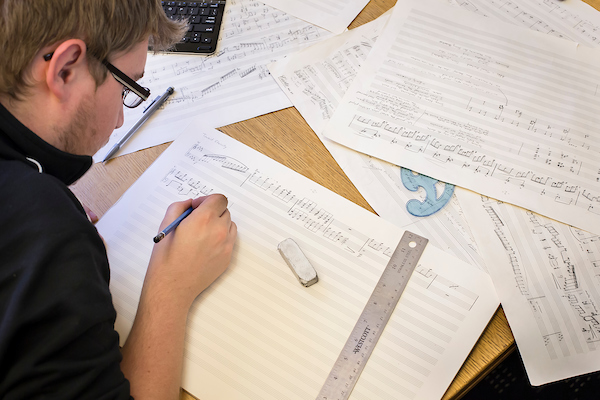
About Studying Music Theory
Build a strong musical foundation in aural skills, sight singing, voice leading, form and analysis, and 20th/21st-century musical materials that will prepare you to perform and/or teach during your bachelor’s degree. Or dig deeper into advanced music theory and research with the Master of Music degree. Finally, choose Music Theory as your secondary area in any of the Doctor of Arts concentrations to prepare yourself for college-level music theory teaching.
Degree Programs
Get hands-on experience.
- Skinner Music Library
- Recording & Project Studios
- National/Regional Conference Attendance
- Conference Presentation Opportunities
- 1-on-1 Research & Publication Mentorship
- Teaching Experience
- Ensemble and/or applied music participation
Apply to this Program See Audition Requirements Music Ensembles
Build Your Theory Skills
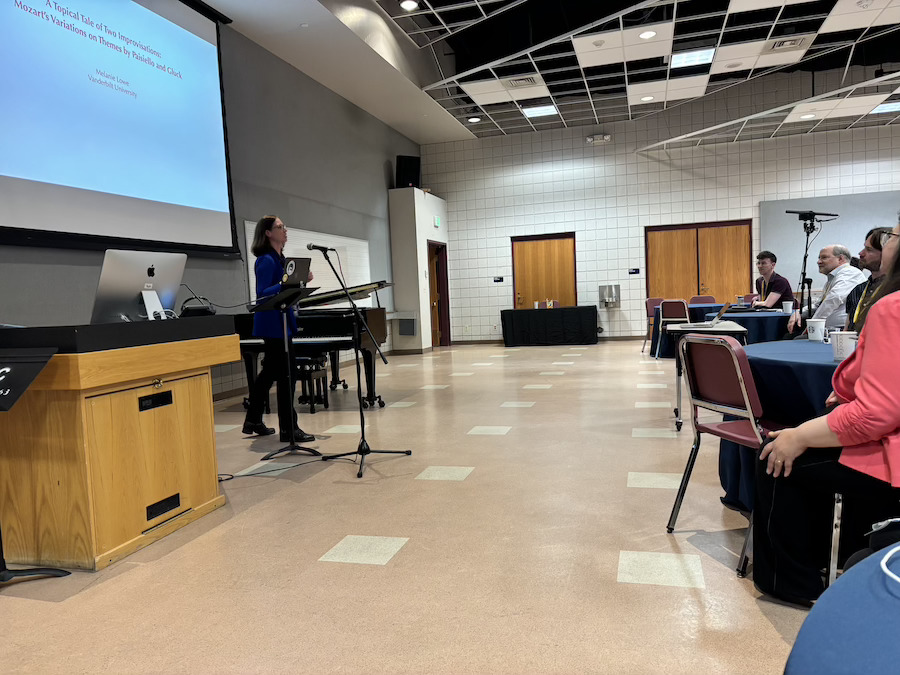
You’ll have the chance to be a part of a few professional conferences for music history and music theory organizations that we help host or organize. The School of Music has ties to the Rocky Mountain Society for Music Theory, American Musicological Society (Rocky Mountain Chapter) and International Symposium on Musical Topics and Topic Theory.
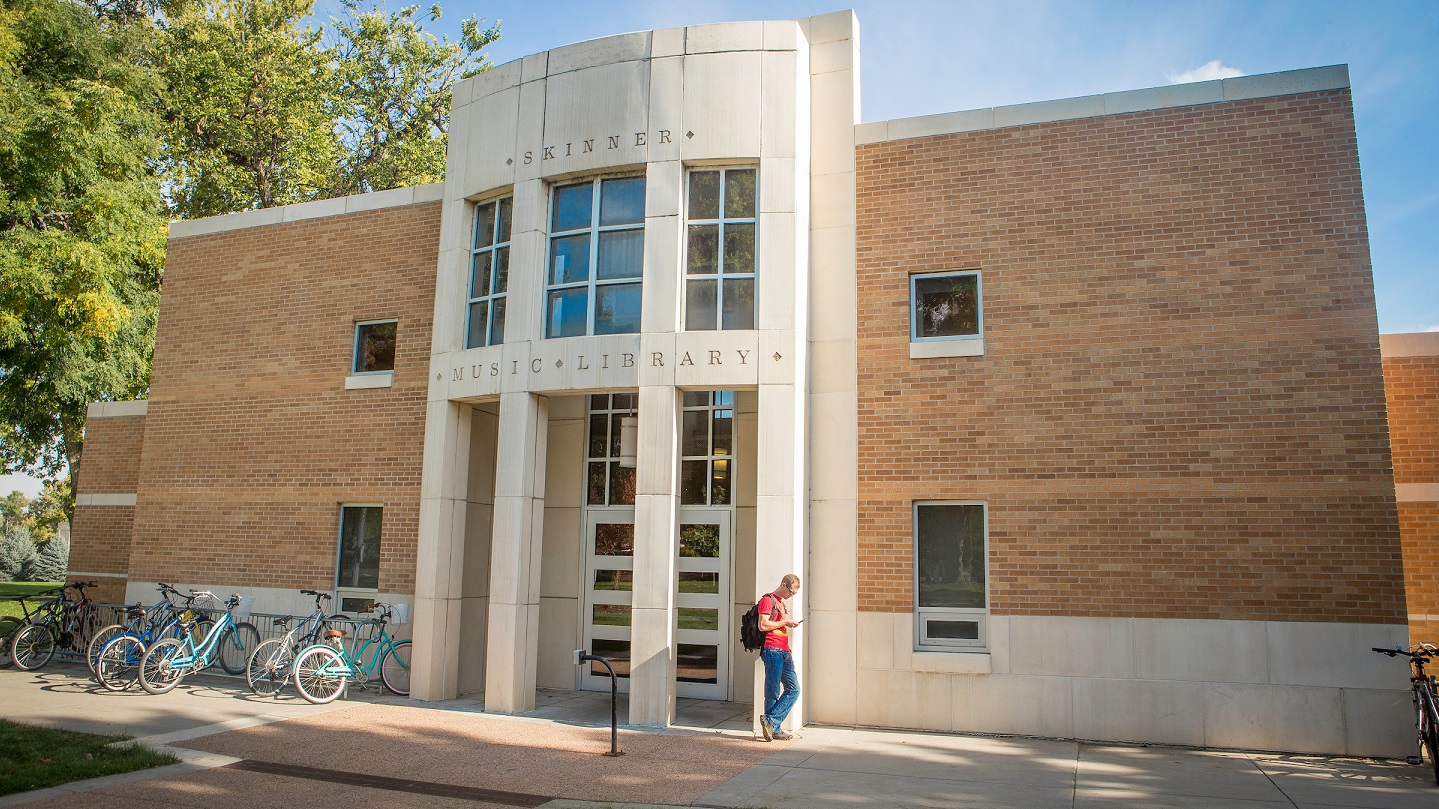
You’ll spend a lot of time in our stand-alone Skinner Music Library.This is a great place to study, complete assignments, research and print.
Our Theory Faculty
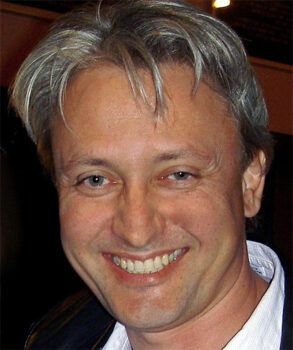
Ludek Drizhal
Associate Professor of Digital Media Composition and Music Theory

Reiner Krämer
Associate Professor of Music Theory
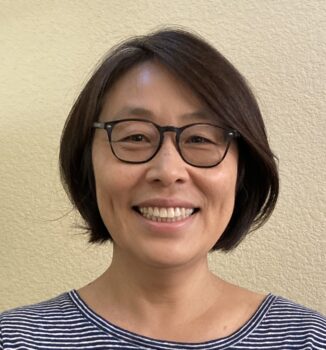
Heeseung Lee
Assistant Professor, Music History and Music Theory

Michael Oravitz
Associate Professor of Music Theory
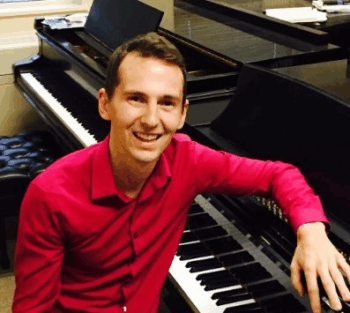
Jesse Pierson
Adjunct Faculty, Music
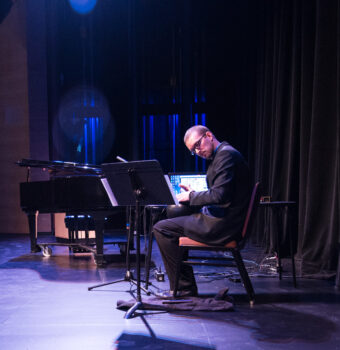
Todd Swingle
Adjunct Faculty, Music Theory
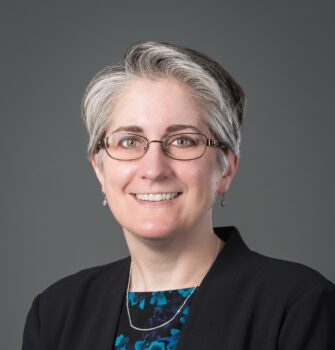
Carissa Reddick
Director, School of Music | Associate Professor of Music Theory