

Music Education DA
- Doctoral
- DA
- In-Person
- Greeley
Program Overview
Whether you want to take your teaching career to soaring heights or plan to teach at the college level, our highly flexible Doctor of Arts in Music Education will help you excel creatively and professionally.
You’ll study with a diverse group of internationally accomplished faculty and musicians and collaborate with talented classmates across disciplines. Throughout your program, you’ll develop deep expertise in the philosophical and psychological foundations of music education and the pedagogy of teaching and learning music.
The Music Education D.A. is different from a Ph.D. degree because it trains students to be both top-level music educators and college teachers. Students take classes in their main area of music education and also choose a secondary area to broaden their skills and improve their job prospects. This wide training helps graduates become well-rounded educators who are ready for both K-12 and college-level teaching careers.
With a Doctor of Arts in Music Education, you’ll be prepared to:
- Pursue original scholarship, research and academic publishing
- Teach music at the college level
The D.A. in Music Education requires a primary and secondary area. Your specific degree requirements will vary based on your chosen path, but here’s a typical breakdown:
- Primary Area – 15 credits
- Secondary Area – 8-10 credits
- Research Core – 12 credits
- Dissertation – 16 credits
- Electives – 13 credits
Music Education D.A. candidates must take the following Placement Exams:
- Music theory
- Aural skills
Students who do not pass these exams must complete additional prerequisite courses.
At least one degree in music education (undergraduate or master’s) is required for admission. An interview is required for all applicants, and an audition on the primary instrument or voice may also be requested based on your application materials.
Your Doctoral Journey
This is where you define yourself as an artist-scholar. UNC’s Doctorate in Music Education gives you the freedom to design a program as unique as your vision—focus on your research passion while deepening your expertise in a secondary area that enriches your artistry. Your doctoral journey is yours to shape.
You’ll work closely with distinguished faculty to craft a plan of study that reflects your artistic voice and career aspirations. This isn’t about fitting into a predetermined mold—it’s about discovering and expressing the full power of your musicianship.
UNC’s Music Education doctoral students develop advanced skills in research, the philosophical and psychological foundations of music education, and the pedagogy of teaching and learning music. Graduates go on to lead music education programs at colleges and universities, informed by real classroom experience and rigorous scholarship.
Sample courses:
- Foundations of Music Education
- Curriculum Trends in Music Education
- Psychology of Music Teaching and Learning
- Philosophical Foundations of Education
- Psychological Foundations of Education
Why Choose UNC for Music?
Performances Annually
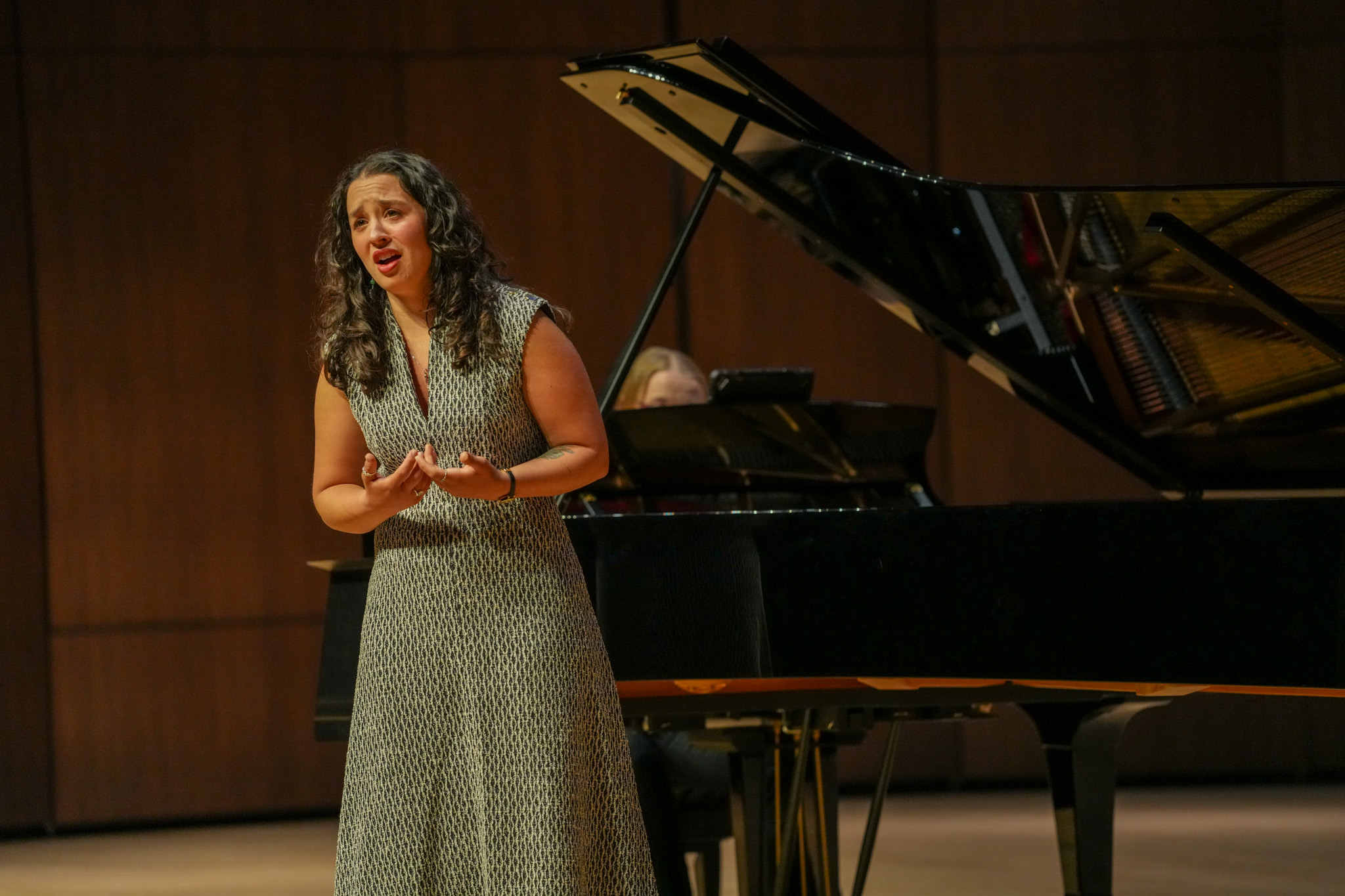
UNC's music scene is powerful and thriving. You'll perform alongside accomplished faculty, internationally recognized guest artists and talented students at every level—all in state-of-the-art venues right on campus.
All-Steinway School
You'll play on more than 90 Steinway & Sons pianos throughout our classrooms, practice rooms and performance spaces. UNC was the first public Colorado university and one of only a few schools in the region to earn the prestigious All-Steinway School designation—and we maintain that standard of excellence because you deserve the best instruments for your education.
Graduate Assistantship Positions
Your graduate education shouldn't come with overwhelming debt. UNC offers competitive funding opportunities — including assistantships, fellowships, and scholarships. doctorate without sacrificing your financial future.
Music Audition Requirements
Select your primary instrument or area to review repertoire, recordings, interviews and other required materials. Or go back to the School of Music home page.
Brass Collaborative Piano Conducting Jazz Studies Music Composition Music Education Music History & Literature Music Theory Percussion Piano Strings Voice Woodwinds
Student & Faculty Voices

Research That Changes How Teachers Teach
After years as a school principal and executive director in Denver, I was ready to make a life change. Now I help train teachers to layer social-emotional learning into their teaching.
Angie Keedy
Doctor of Arts in Music, Music Education
Music Teacher & Professional Development Specialist, NAfME
Create. Perform. Engage.
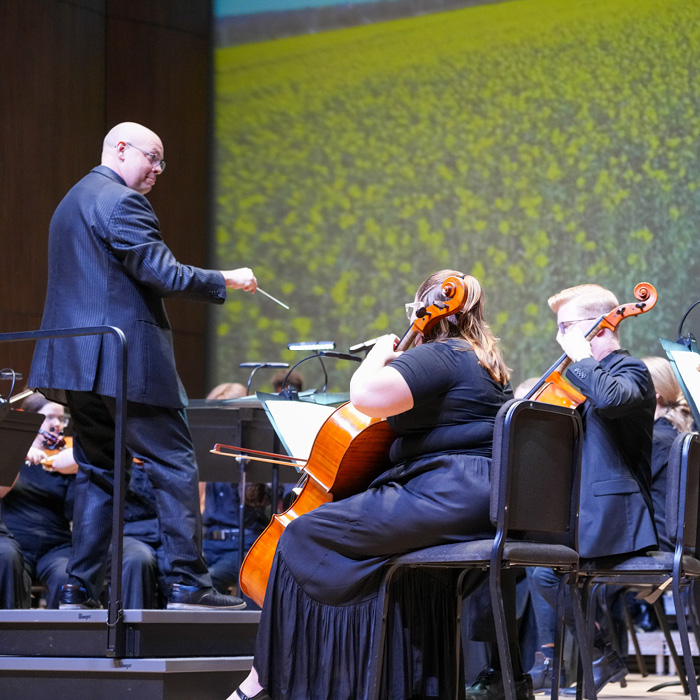
UNC offers more than two dozen ensembles, from choirs to opera theatre.
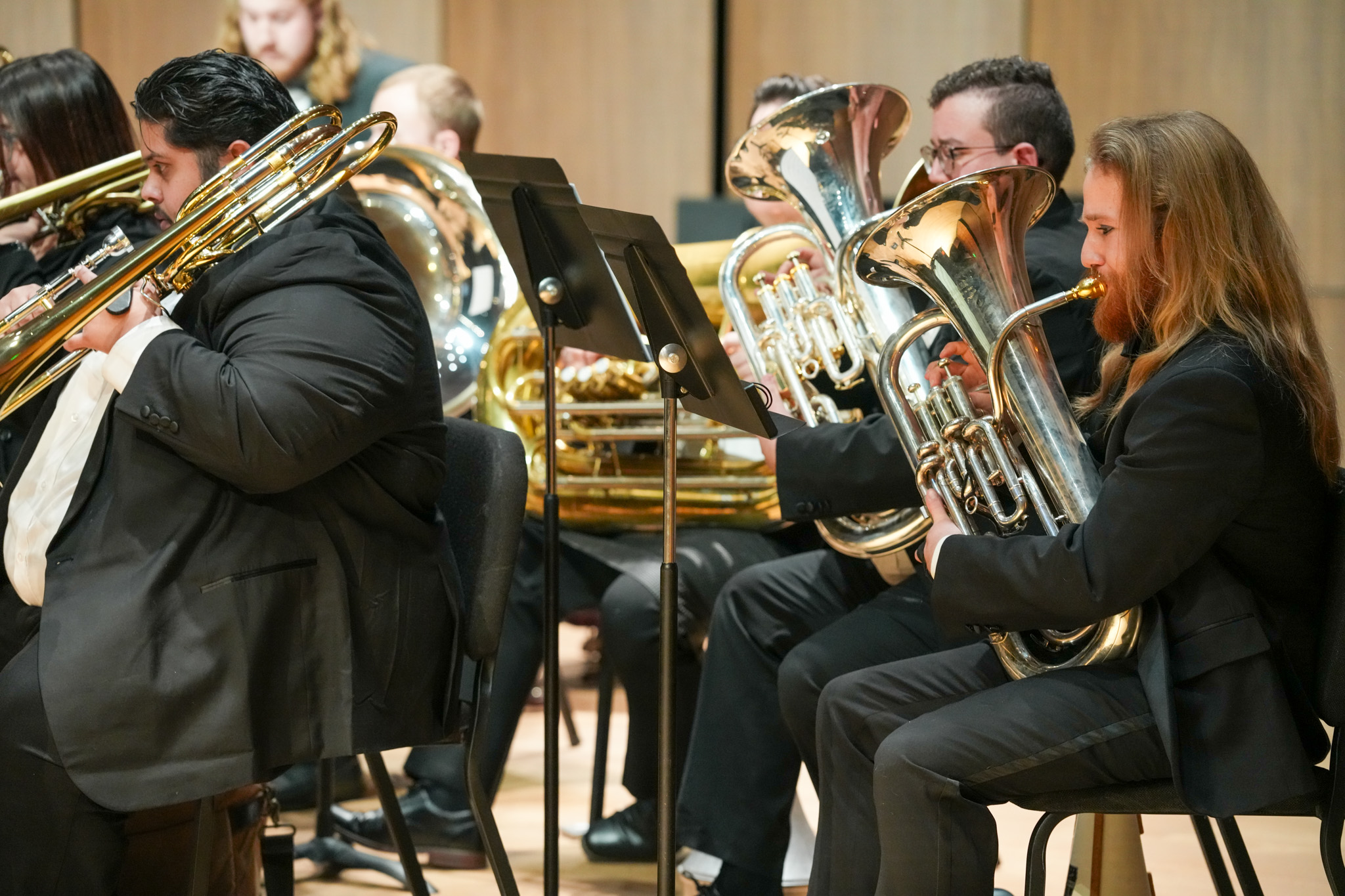
Learn, practice, produce and perform in state-of-the-art facilities, including our newest space, Campus Commons Performance Hall.
Locally grown festivals. Nationally touring acts. Ever-changing exhibits. Across the university and throughout Northern Colorado and beyond, you can immerse yourself in the arts.
Have Questions? We're Here to Help!
- PVA@unco.edu
- (970) 351-2993
- Frasier Hall