

Professional Counseling
Accredited Counseling Graduate Programs
Our graduate programs in School Counseling, Clinical Mental Health Counseling, and Marriage, Couples, and Family Counseling/Therapy give students the skills and experience they need to become professional counselors. This program offers a mix of classroom learning and real practice helps students to become successful counselors. Graduates can work in schools, clinics, agencies, and private offices, making these programs a top choice for a counseling degree in Colorado.
What to Expect:
- Learn in small classes with supportive groups and expert teachers who have real counseling experience
- Get hands-on training in a modern clinic while working with clients under supervision
- Grow in confidence as a counselor
Instructional Delivery Systems
How Courses Are Taught:
Each course uses different ways of teaching, including live lessons and online tools. Almost all courses in the Professional Counseling Master’s Programs are not fully online, except for Introduction to Graduate Research (SRM 600). This course is offered both in-person and online by the Applied Statistics and Research Methods department.
Teaching Methods:
Instructors use many ways to help students learn, such as group discussions, lectures, demonstrations, personal reflection, and practice activities.
How Students Show Learning:
Students show what they have learned in many ways, including projects, presentations, role-playing, case discussions, problem-solving exercises, group work, computer lab projects, research discussions, and fieldwork.
Meet the Faculty
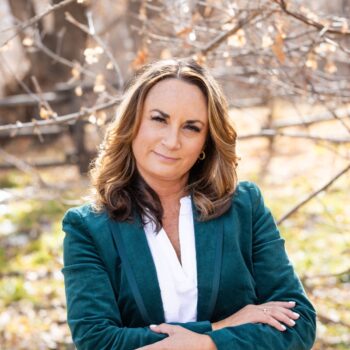
Jennifer Murdock-Bishop
Interim Chair and Professor

Danielle Kahlo
Associate Professor
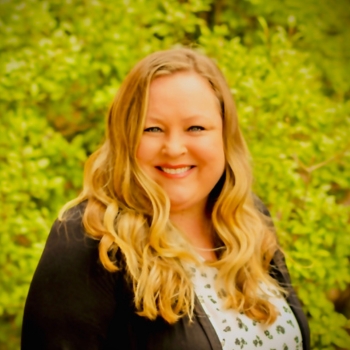
Kristin Myers
Assistant Professor
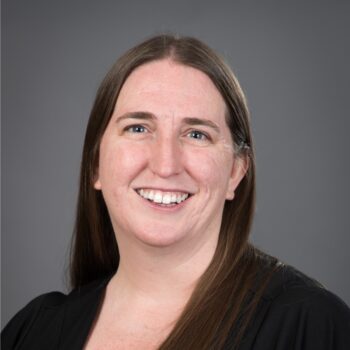
Bonnie Nicholson
Assistant Professor
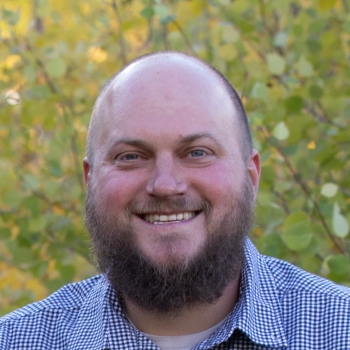
Matthew Tis
Assistant Professor
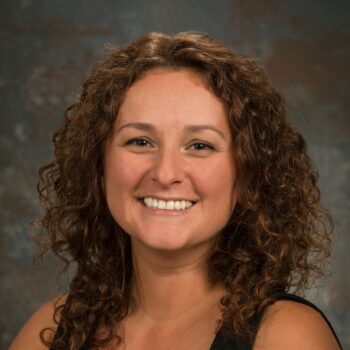
Angela Weingartner
Associate Professor and Professional Counseling Program Coordinator
Mission Statement
It is the mission of the Professional Counseling program to remain committed to strength-based training with an emphasis on bridging theory to practice through an applied, innovative, and experiential environment. The program strives to develop a strong counselor identity, with a focus on personal and professional growth. By fostering self-discovery and awareness, we honor students’ unique contributions to the learning community in the context of enriching student-faculty relationships. Our goal is to train students to serve a diverse and global community through counseling, scholarship, advocacy, and community engagement.
Program Evaluation Documents
Questions? Contact Us!
Jennifer Murdock-Bishop
Interim Chair and Professor