
Article
May 22, 2026
Written by Duard Headley | Translated by Carlos José Pérez Sámano
Bear Breakdown: Mile High and Unseasonably Dry
A una milla de altitud y con una sequía inusual para esta época del año
In the wake of a winter so warm and dry it broke records, UNC faculty and alumni discuss causes, concerns and looming impacts for the season ahead
Tras un invierno tan cálido y seco que ha batido récords, el personal académico y los egresados de la UNC analizan las causas, las preocupaciones y las repercusiones que se avecinan para la próxima temporada.
Bear Breakdown is an ongoing series where university experts share clear, thoughtful insights on today’s most talked-about issues. Each article connects headline news to real-world impact, helping readers better understand what’s happening and why it matters, while adding valuable context and sparking meaningful conversation for audiences of all backgrounds.
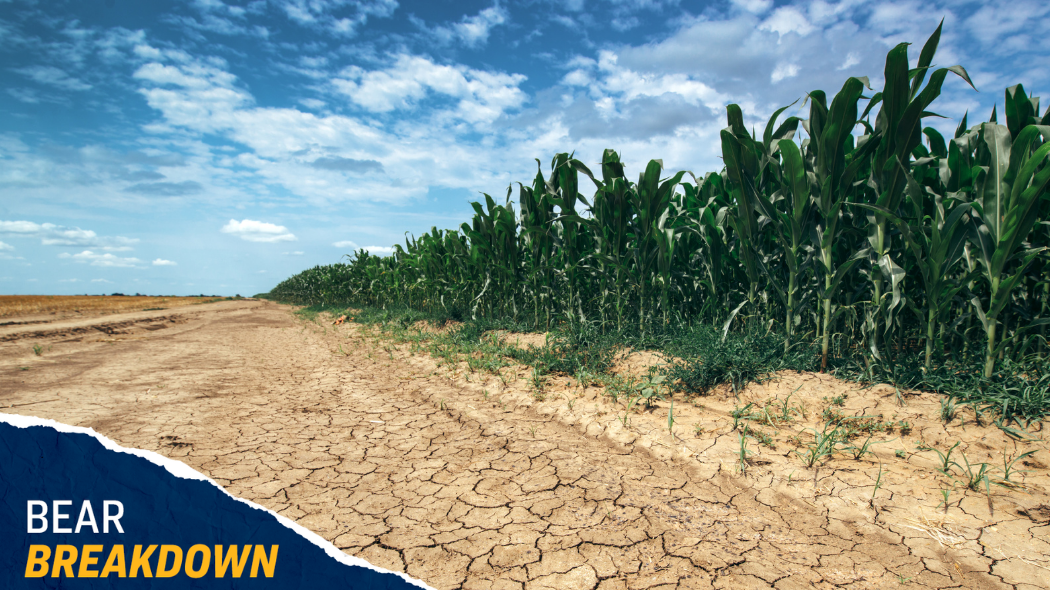
Missing: Colorado’s snowfall
Temperature: <32° Fahrenheit
Composition: Dihydrogen Monoxide
Last seen: Briefly in the months of spring, but notably absent in the peak months of December through February.
As winter dawned in the waning months of 2025, the people of the western United States scarcely knew that an iconic part of the chilly season would be almost entirely absent for months to come.
Where normally there might have been cozy evenings blanketed by fluffy flakes, white Christmases and snowy New Year’s Eves, there instead was a winter filled with an unprecedented lack of precipitation and a huge number of days that saw record-breaking temperatures.
Now, with winter (and most of spring) well passed, large parts of the country might be facing a scary summer. The snowpack in the Rocky Mountains is dangerously low and weather conditions aren’t predicted to change that, potentially leaving many residents of Colorado and the surrounding states high and very, very dry.
Faculty from the University of Northern Colorado (UNC)’s Earth and Atmospheric Sciences and Geography, GIS and Sustainability departments, as well as an alumnus well-versed in the agriculture industry, shared their perspectives on the causes behind this unusual weather and the looming impacts ahead.
“The 10 warmest years, on average, in global history, have been the last 10 years. Cold snaps and local, individualized weather events will still no doubt occur, but overwhelmingly, we find ourselves in a world that is and will continue to get warmer.”-David Lerach, Ph.D.
Quotes from David Lerach, Ph.D., associate professor of Earth and Atmospheric Sciences in the College of Natural and Health Sciences.
In what ways was this past winter different than usual?
We broke records throughout basically all of the Rocky Mountains and along much of the Front Range and foothills as well.
At the weather stations designed to monitor levels of snowfall and Colorado’s snowpack — the seasonal accumulation of dense snow that melts over the course of a season — the amount of water in our snowpack and the depth of the snowpack itself reached record lows almost everywhere. In a few places, it might have been the second worst season in history, but in most, it was the worst ever recorded.
It was an intense, very warm, very dry winter here in Colorado.
What factors can contribute to warmer and/or drier seasonal weather?
I don’t think there’s necessarily a definitive answer as to why a season like this might occur — any time you truly have a record breaker, you’re outside of the norm.
That said, there are factors that relate to why a season might be warmer or drier than usual. For the large—scale picture, we saw a weak La Nina pattern this winter, which shifted the jet stream a little further north than usual and sets up higher pressure, drier conditions over the western United States.
Even were a low pressure system to move in, the topography of the western United States forms a ridge that causes those systems — which are the ones that cause precipitation — to miss us a lot of the time.
On average, Colorado isn’t that influenced by these cycles, but in this particular La Nina year, we had way more high pressure zones than usual that blocked us from getting almost any storm activity. The storms we did get weren’t very cold and didn’t bring a lot of moisture, either.
Why are some parts of the country getting more precipitation than usual, while others are drier than usual?
The weather that occurs across different parts of the country is related on a larger scale. For example, when comparing our dry, warm winter in Colorado to some of the heavy rain and snowfall we saw across the eastern United States this winter, that was largely due to the ridge of high pressure that was often in place this past winter causing multiple low-pressure systems (or storm tracks) to steer around Colorado to the north and east, thus missing us altogether and dropping precipitation in the central/eastern United States.
Some low-pressure systems did pass directly over Colorado, but they were relatively weak and dry, intensifying as they moved east of the Rockies and gaining fuel from the Gulf, producing much more precipitation in the eastern parts of the country.
The more precipitation that skips us here in Colorado, typically, the more precipitation that ends up hitting the eastern parts of the U.S.
What impacts might a warmer/drier winter and/or spring have on the rest of the year?
It’s hard to say if this past winter/spring will impact the rest of the year in many ways, but we can make some predictions by looking at what we call “climate drivers” — things like the La Nina/El Nino cycles and oscillations in weather patterns on a larger scale.
We can put out seasonal outlooks that estimate conditions up to three months in the future — not things like daily high temperatures or individual storm systems, but overall conditions and outlooks.
While there are some indications that there will be some storm tracks coming in the next few months that will hopefully give us some relief here in the western United States, later this year, on average, the pattern that’s being forecasted is warmer—than—average temperatures across this entire area. In fact, most of the country is expected to see higher—than—average temperatures, except for parts of Minnesota and the Great Lakes. We’re also expecting a continuation of the lower—than—average precipitation throughout the northwest and higher—than—average precipitation across the eastern parts of the country.
Hopefully, it won’t be as bad as this winter, but it’s not looking much better.
When it comes to wildfire season, when we’re warmer and drier than average, that will, of course, mean that the vegetation in the area will dry out. That vegetation, coupled with the crazy strong winds we’ve been seeing, can more easily trigger and fuel an increased number of wildfires.
Wildfire season feels like it never ends at this point, and that’s not going to let up. It’s going to be an interesting summer.
Was this warmer/drier winter a one-off event, or should we expect more seasons like it in the future?
Due to things like climate change and the fact that we simply find ourselves in a warming world, we’re certainly going to see warmer temperatures on average going forward — including warmer seasons across the board.
At times, things like the solar cycle and other factors may give us a slightly colder year than the one that came before, but that won’t mean we’re moving in the opposite direction overall.
The 10 warmest years, on average, in global history, have been the last 10 years. Cold snaps and local, individualized weather events will still no doubt occur, but overwhelmingly, we find ourselves in a world that is and will continue to get warmer.
Unfortunately, this topic has become a political debate, which it shouldn’t be. Climate change is happening, and we know that humans are a big part of it. It’s hard to say exactly how much human activity impacts standout years like this past winter — I’m not someone who will blame the entirety of warmer seasons like this on climate change.
But we do know that because of climate change, this type of year was more likely to happen and will continue to be more likely in the future.
“In a less obvious way, these kinds of seasons, if we attribute part of their reason for occurring to climate change, can impact people by increasing feelings of stress, anxiety, hopelessness and frustration — and those things are really hard to live with.”-Meg du Bray, Ph.D.
Quotes from Meg du Bray, Ph.D., assistant professor of Geography, GIS and Sustainability in the College of Humanities and Social Sciences.
How can weather impact local communities and landscapes?
While the City of Greeley and Weld County in general have a relatively robust water reserve and a good claim to water rights, that isn’t necessarily the case everywhere.
Seeing as how we live in a very dry, arid state, water shortages are a real concern.
That, naturally, impacts a community in a number of ways, from added stress in daily life to impacts for agricultural businesses, ability to garden and plant, potential increased prices at grocery stores and more.
For an area like the western United States, prolonged periods of warm, dry weather can also have impacts on natural landmarks as well. We live near the Poudre River, for instance. If there isn’t a lot of snowmelt runoff from the mountains, the river, and all the people and animals who interact with it, will be impacted as well.
In a less obvious way, these kinds of seasons, if we attribute part of their reason for occurring to climate change, can impact people by increasing feelings of stress, anxiety, hopelessness and frustration — and those things are really hard to live with.
How could people’s daily lives be impacted by this recent warmer, drier weather?
For our farmers, folks in agriculture and other industries that rely heavily on a consistent supply of a lot of water, these warmer, drier seasons pose a real risk. Even those with strong water rights, those rights are dependent on a robust snowpack. If we don’t have a good snowpack, it puts them at risk of not being able to grow crops successfully.
It goes deeper than that, too; all of these things are connected. In a year when gas, oil and fertilizer prices are already higher than usual, those farmers’ bottom lines could seriously be impacted. That, in turn, could lead to higher prices at the grocery store for the average person.
Additionally, depending on where you are in the country, especially out here in the west, this weather could impact your water availability. The City of Denver has already stated that they’re considering water restrictions — they want people to cut water use by 20%. That’s a potential additional stressor on people as well.
On top of cutting back on water use, the water that is available will go up in price. If, for example, someone planted a young tree last year, not only might they not have enough water to keep it hydrated, the water they do have access to will be more expensive. It might come down to needing to decide between watering that tree and having water for use in cooking, cleaning, drinking, etc.
Lastly, we might see health side effects as well. Higher heat can exacerbate preexisting health conditions like asthma, and if you don’t have consistent access to air conditioning, you can be at risk of heat stroke as well. We tend to think of these issues as mainly being problems in hotter, drier places like Phoenix, but with a season like the one we’ve been having, they could certainly be considerations here in Colorado as well.
How can the impacts of warmer/drier weather and water scarcity be mitigated?
In a perfect, pie-in-the-sky world? We would stop emitting entirely — the cessation of using fossil fuels today, yesterday, 10 years ago.
But when I say that, I also recognize that we will probably always need fossil fuels in some way, even if only as an energy backup, because there’s no single energy solution going forward.
That said, if we had shifted to using them only as a backup, say, five years ago, I think we’d be in a very different place now.
From a more relatively accessible point of view? There are a few things people can do.
If, say, you’re a homeowner and you water your yard every day; switch to once, maybe twice a week. Skip meat once or twice a week. Remind yourself to turn the lights off when you leave a room. Take a Navy shower (running the water only while you’re rinsing, not in between) — I hate this one, personally, but it adds up.
Stuff like that really goes a long way towards helping one’s individual consumption habits.
I truly think structural change in terms of societal expectations would be helpful — up to the highest reaches of government. But in a time when that doesn’t feel like it’s going to happen, the small changes are the ones we can latch onto and give our all.
What are some common misconceptions surrounding weather’s impact on the environment?
Broadly, I wish people understood what “climate change” really meant, why it’s happening and how humans are involved.
More locally, I want to convey that, while we, as individuals, can’t solve this problem on our own due to how society is set up, that doesn’t mean we shouldn’t try or that we should abdicate responsibility and just not do anything about it.
If you’re living in a vulnerable situation or through a stressful time of life like many, many people are right now, I absolutely understand and respect that. It’s more along the lines of if you have two minutes to stop and think about turning off the water during dishes or chores — those things matter. They add up.
So, I would hope that people aren’t discouraged by taking those small steps.
I also think it’s important to know that you don’t have to be super hopeful or like, full of optimism right now. Seek reassurance, belonging and togetherness. No one has to do any of this alone.
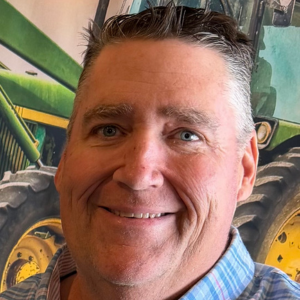
“This past season is almost unlike anything I’ve seen since I started in agriculture. People just don’t have enough water to meet their needs in a lot of cases. Some of the other neighboring states might not be quite as dry as we are in Colorado, but they’re definitely not in great positions either. It’s going to be bad; a very tough season. “-Alan Oster, ’98.
Quotes from Alan Oster, ‘98, owner of Oster Farms, LLC in La Salle, CO.
How much impact does the weather have on your business?
Weather has a lot of impact on us here. Where we grow, different types of crops require different amounts of water. Hay and grass, for instance, require more water, while something like alfalfa can go for a while longer with less water.
Growing hay, which is what I do, requires a combination of rain, sun and irrigation. When we get a season like the one we’ve had, with almost no rain and a ton of heat, it makes it a lot harder to grow consistently. Usually, a lack of rain wouldn’t be as bad as it is, but because we’re getting hit with the double whammy of really hot temperatures and almost no rain, I’m worried about being able to meet customer demands and produce product that’s of the quality that I need.
Even when it does rain, if your fields have been dry up until that point, it makes producing difficult. Sure, if it rains cats and dogs all of a sudden, that’s great. But if I haven’t been able to put down a lot of fertilizer because the season has been hot and dry and the fertilizer will burn up, then the hay won’t grow nearly as fast or as much when the rains do come.
All industries have economic factors at play — taxes, gas, the economy — but we have the weather to deal with on top of those. You can’t control the weather, but it has a huge impact on a lot of different aspects of growing things in agriculture.
What is your watering process like and what determines how much water you can use?
Normally, our watering system is mostly drawn from the river — my neighbor’s supply is drawn entirely from the river. This year, the river has a lot less water because of how low the snowpack is. Before the snow came last week, I had reached a point where I was entirely out of water. The snow was great, because it brought moisture with it, but it only lasts so long. Now, I’m pretty much out of water again.
There are some ditches that have higher seniority water rights that do still have some, but those are few enough. There are also ditches who are lower than us who might’ve run out of water two or three weeks ago.
Some farms have more based on how much water they bought back in the 50s and 60s, but that isn’t necessarily tied to the size of the farm itself. There are large farms out there that can’t get the water they need because they didn’t invest as much in buying water rights years and years ago as another farm down the road might have.
I also have wells that I pull water from on a few of my farms, and in normal years, I’d say I have a pretty good stock of water to use in helping water the hay. But this year, because they weren’t able to replenish the groundwater stock thanks to how dry it was last year, too, we’re restricted to using 35% capacity of our wells. Last year it was 50%, but this year, when I need it more, it’s lower, so that’s been hard.
Do you have any concerns about impacts from this most recent warmer, drier winter/spring?
This past season is almost unlike anything I’ve seen since I started in agriculture. People just don’t have enough water to meet their needs in a lot of cases.
Unless something changes and we get rains in the coming weeks, I just don’t know that I’ll be able to produce anywhere near my normal amount; and that goes for a lot of the other farms, too, I can tell you.
Something else is that in normal years, we can bring in hay from places like Nebraska and maybe South Dakota. But this year, Nebraska had a lot of wildfires that burnt up their rangelands, so they ended up needing hay brought in.
Some of the other neighboring states might not be quite as dry as we are in Colorado, but they’re definitely not in great positions either. It’s going to be bad; a very tough season.
What might people not know about agriculture and the impacts of weather?
When there’s less crop produced, farmers still have expenses to pay that went into the back end — things like equipment, maintenance, buying seeds, land payments. I understand that folks don’t like paying $15 for a bale of hay when they’re used to paying $9, but when people say it’s because of farmers’ price gouging and taking advantage of a bad situation, that just isn’t accurate.
When it comes to higher prices, farmers don’t want them any more than the average person does. People talk about price gouging and get upset, but some higher prices come from a place of need. I don’t want $15 or $20 bales of hay, because that might cause some customers to get rid of their horses and other animals, which would only hurt me next year or two years down the line.
I’m very worried about high prices kicking in and people not being able or willing to pay them.
«Bear Breakdown» es una serie en curso en la que expertos universitarios comparten análisis claros y reflexivos sobre los temas más comentados de la actualidad. Cada artículo relaciona las noticias de actualidad con su impacto en el mundo real, lo que ayuda a los lectores a comprender mejor lo que está sucediendo y por qué es importante, al tiempo que aporta un contexto valioso y fomenta un diálogo significativo entre públicos de todo tipo.
Se busca: nevada en Colorado
Temperatura: <32 °F
Composición: monóxido de dihidrógeno
Última aparición: Brevemente durante los meses de primavera, pero con una ausencia notable en los meses de mayor actividad, de diciembre a febrero.
Al llegar el invierno en los últimos meses de 2025, los habitantes del oeste de Estados Unidos apenas sabían que un elemento emblemático de la estación fría estaría prácticamente ausente durante los meses venideros.
Donde normalmente habría habido acogedoras tardes envueltas en copos de nieve y una blanca Navidad, en cambio, tuvimos un invierno marcado por una falta de precipitaciones sin precedentes y un gran número de días con temperaturas récord.
Ahora, una vez superado el invierno (y la mayor parte de la primavera), es posible que gran parte del país se enfrente a un verano aterrador. La capa de nieve en las Montañas Rocosas es peligrosamente escasa y no se prevé que las condiciones meteorológicas cambien esta situación, lo que podría dejar a muchos residentes de Colorado y de los estados vecinos en una situación muy, muy seca.
Profesores de los departamentos de Ciencias de la Tierra y la Atmósfera y de Geografía, SIG y Sostenibilidad de la Universidad del Norte de Colorado (UNC), así como un egresado con amplia experiencia en el sector agrícola, compartieron sus puntos de vista sobre las causas de este fenómeno meteorológico inusual y las repercusiones que se avecinan.
«Los diez años más cálidos, en promedio, de la historia mundial han sido los últimos diez. Sin duda seguirán produciéndose olas de frío y fenómenos meteorológicos locales y puntuales, pero, en su gran mayoría, nos encontramos en un mundo que se está calentando y que seguirá haciéndolo».
—David Lerach, Ph.D.
Citas de David Lerach, Ph.D., profesor asociado de Ciencias de la Tierra y la Atmósfera en la Facultad de Ciencias Naturales y de la Salud.
¿En qué aspectos fue diferente este invierno pasado a los anteriores?
Se batieron récords prácticamente en todas las Montañas Rocosas, así como a lo largo de gran parte de la Cordillera Frontal y sus laderas.
En las estaciones meteorológicas destinadas a monitorizar los niveles de nevadas y el manto de nieve de Colorado —la acumulación estacional de nieve densa que se derrite a lo largo de una temporada—, la cantidad de agua contenida en el manto de nieve y el espesor del propio manto alcanzaron mínimos históricos en casi todas partes. En algunos lugares, puede que haya sido la segunda peor temporada de la historia, pero en la mayoría fue la peor jamás registrada.
Fue un invierno intenso, muy cálido y muy seco aquí en Colorado.
¿Qué factores pueden contribuir a que el clima estacional sea más cálido y/o más seco?
No creo que haya necesariamente una respuesta definitiva sobre por qué puede darse una estación como esta; cada vez que se bate un récord, se está fuera de la norma.
Dicho esto, hay factores que explican por qué una estación puede ser más cálida o más seca de lo habitual. Si lo miramos a gran escala, este invierno observamos un patrón débil de La Niña, que desplazó la corriente en chorro un poco más al norte de lo habitual y provocó condiciones de mayor presión y mayor sequedad en el oeste de Estados Unidos.
Incluso si se acercara un sistema de bajas presiones, la topografía del oeste de Estados Unidos forma una cresta que hace que esos sistemas —que son los que provocan las precipitaciones— nos pasen de largo la mayor parte del tiempo.
Por lo general, Colorado no se ve muy afectado por estos ciclos, pero en este año concreto de La Niña tuvimos muchas más zonas de alta presión de lo habitual, lo que impidió que nos llegara prácticamente ninguna tormenta. Las tormentas que sí tuvimos no fueron muy frías y tampoco trajeron mucha humedad.
¿Por qué algunas zonas del país registran más precipitaciones de lo habitual, mientras que otras son más secas de lo normal?
El tiempo que se da en las distintas zonas del país está relacionado a gran escala. Por ejemplo, si comparamos nuestro invierno seco y cálido en Colorado con las fuertes lluvias y nevadas que se registraron este invierno en el este de Estados Unidos, esto se debió en gran medida a la cresta de alta presión que se mantuvo a menudo durante el invierno pasado, lo que provocó que múltiples sistemas de baja presión (o trayectorias de tormentas) se desviaran al norte y al este de Colorado, sin afectarnos en absoluto y dejando precipitaciones en el centro y el este de Estados Unidos.
Algunos sistemas de baja presión sí pasaron directamente sobre Colorado, pero eran relativamente débiles y secos; se intensificaron a medida que se desplazaban al este de las Montañas Rocosas y se alimentaban del Golfo, produciendo muchas más precipitaciones en las zonas orientales del país.
Por lo general, cuantas más precipitaciones nos evitan aquí en Colorado, más precipitaciones acaban cayendo en las zonas orientales de Estados Unidos.
¿Qué repercusiones podría tener un invierno y/o una primavera más cálidos y secos en el resto del año?
Es difícil afirmar si el invierno y la primavera pasados influirán en el resto del año de muchas maneras, pero podemos hacer algunas predicciones analizando lo que denominamos «factores climáticos determinantes», como los ciclos de La Niña y El Niño y las oscilaciones en los patrones meteorológicos a gran escala.
Podemos publicar previsiones estacionales que estimen las condiciones con hasta tres meses de antelación —no tanto datos como las temperaturas máximas diarias o sistemas de tormentas concretos, sino condiciones y perspectivas generales—.
Aunque hay algunos indicios de que en los próximos meses se producirán algunas trayectorias de tormentas que, con suerte, nos proporcionarán algo de alivio aquí, en el oeste de Estados Unidos, para finales de este año, en promedio, el patrón que se prevé es de temperaturas superiores al promedio en toda esta zona. De hecho, se espera que la mayor parte del país registre temperaturas superiores a la media, excepto en algunas zonas de Minnesota y de la región de los Grandes Lagos. También prevemos que continúen las precipitaciones por debajo del promedio en todo el noroeste y por arriba de la media en las zonas orientales del país.
Esperemos que no sea tan grave como este invierno, pero no parece que la situación vaya a mejorar mucho.
En lo que respecta a la temporada de incendios forestales, cuando las temperaturas son más altas y el clima más seco de lo habitual, eso significa, por supuesto, que la vegetación de la zona estará más seca. Esa vegetación, unida a los vientos tremendamente fuertes que hemos estado sufriendo, puede provocar y avivar más fácilmente un mayor número de incendios forestales.
A estas alturas, parece que la temporada de incendios forestales nunca va a terminar, y la situación no va a mejorar. Va a ser un verano interesante.
¿Ha sido este invierno más cálido y seco un fenómeno puntual, o debemos esperar más temporadas como esta en el futuro?
Debido a factores como el cambio climático y al simple hecho de que nos encontramos en un mundo que se está calentando, sin duda veremos temperaturas promedio más altas en el futuro, lo que incluye estaciones más calurosas en general.
En ocasiones, factores como el ciclo solar y otros elementos pueden hacer que tengamos un año ligeramente más frío que el anterior, pero eso no significará que, en general, vayamos en la dirección opuesta.
Los diez años más cálidos, en promedio, en la historia mundial han sido estos últimos diez años. Sin duda seguirán produciéndose olas de frío y fenómenos meteorológicos locales y puntuales, pero, en su gran mayoría, nos encontramos en un mundo que se está calentando y que seguirá haciéndolo.
Por desgracia, este tema se ha convertido en un debate político, cuando no debería serlo. El cambio climático es una realidad, y sabemos que los seres humanos somos una parte importante del mismo. Es difícil determinar con exactitud en qué medida la actividad humana influye en años tan atípicos como este último invierno; yo no soy de los que le echan la culpa por completo de las temporadas más cálidas como esta al cambio climático.
Pero sí sabemos que, debido al cambio climático, este tipo de años eran más probables y seguirán siéndolo en el futuro.
«De una forma menos evidente, este tipo de épocas, si atribuimos parte de su origen al cambio climático, pueden afectar a las personas al aumentar la sensación de estrés, ansiedad, desesperanza y frustración, y es muy difícil convivir con todo eso»
— Meg du Bray, Ph.D.
Citas de Meg du Bray, Ph.D., profesora asociada de Geografía, SIG y Sustentabilidad en la Facultad de Humanidades y Ciencias Sociales.
¿Cómo puede afectar el clima a las comunidades locales y a los paisajes?
Aunque la ciudad de Greeley y el condado de Weld en general cuentan con una reserva de agua relativamente sólida y unos derechos de agua bien consolidados, no siempre es así en todas partes.
Dado que vivimos en un estado muy seco y árido, la escasez de agua es una preocupación real.
Esto, naturalmente, afecta a la comunidad de diversas maneras, desde un mayor estrés en la vida cotidiana hasta repercusiones en las explotaciones agrícolas, la posibilidad de cultivar un huerto o plantar, un posible aumento de los precios en los supermercados y mucho más.
En una zona como el oeste de Estados Unidos, los períodos prolongados de tiempo cálido y seco también pueden afectar a los parajes naturales. Vivimos cerca del río Poudre, por ejemplo. Si no hay un gran caudal de agua procedente del deshielo de las montañas, el río —y todas las personas y animales que interactúan con él— también se verán afectados.
De una forma menos evidente, este tipo de épocas, si atribuimos parte de su origen al cambio climático, pueden afectar a las personas al aumentar la sensación de estrés, ansiedad, desesperanza y frustración, y es realmente difícil convivir con todo eso.
¿Cómo podría afectar a la vida cotidiana de la gente este tiempo más cálido y seco que hemos tenido últimamente?
Para nuestros agricultores, los profesionales del sector agrícola y otras industrias que dependen en gran medida de un suministro constante de grandes cantidades de agua, estas temporadas más cálidas y secas suponen un riesgo real. Incluso aquellos que cuentan con derechos de agua sólidos, dichos derechos dependen de una capa de nieve consistente. Si no contamos con una buena capa de nieve, corren el riesgo de no poder cultivar con éxito.
Pero la cuestión va más allá; todo esto está interrelacionado. En un año en el que los precios del gas, el petróleo y los fertilizantes ya son más altos de lo habitual, los resultados económicos de esos agricultores podrían verse gravemente afectados. Eso, a su vez, podría traducirse en un aumento de los precios en los supermercados para el ciudadano de a pie.
Además, dependiendo de en qué parte del país te encuentres, especialmente aquí en el oeste, estas condiciones meteorológicas podrían afectar a tu disponibilidad de agua. El Ayuntamiento de Denver ya ha declarado que está considerando la posibilidad de imponer restricciones de agua: quiere que la población reduzca el consumo de agua en un 20 %. Esto también supone un posible factor de estrés adicional para la población.
Además de tener que reducir el consumo de agua, el precio del agua disponible aumentará. Si, por ejemplo, alguien plantó un árbol joven el año pasado, no solo es posible que no tenga suficiente agua para mantenerlo hidratado, sino que el agua a la que tenga acceso será más cara. Podría llegar a ser necesario elegir entre regar ese árbol y disponer de agua para cocinar, limpiar, beber, etc.
Por último, también podríamos sufrir efectos secundarios para la salud. El aumento de las temperaturas puede agravar afecciones de salud preexistentes, como el asma, y si no se dispone de acceso constante al aire acondicionado, también se corre el riesgo de sufrir un golpe de calor. Tendemos a pensar que estos problemas se dan principalmente en lugares más cálidos y secos, como Phoenix, pero con una temporada como la que hemos tenido, sin duda también podrían ser factores a tener en cuenta aquí, en Colorado.
¿Cómo se pueden mitigar los efectos de un clima más cálido y seco y de la escasez de agua?
¿En un mundo ideal, utópico? Dejaríamos de emitir por completo: dejaríamos de usar combustibles fósiles hoy mismo, ayer, hace 10 años.
Pero cuando digo eso, también reconozco que probablemente siempre necesitaremos combustibles fósiles de alguna forma, aunque solo sea como energía de reserva, porque no existe una única solución energética para el futuro.
Dicho esto, si hubiéramos pasado a utilizarlos solo como respaldo, digamos, hace cinco años, creo que ahora estaríamos en una situación muy diferente.
¿Desde un punto de vista más accesible? Hay algunas cosas que la gente puede hacer.
Si, por ejemplo, eres propietario de una vivienda y riegas tu jardín todos los días, pasa a hacerlo una vez, quizá dos veces a la semana. Deja de comer carne una o dos veces por semana. Recuérdate a ti mismo que debes apagar las luces cuando salgas de una habitación. Date una «ducha de la Marina» (dejando correr el agua solo mientras te enjuagas, no entre medias); personalmente, esto no me gusta, pero de algo sirve.
Cosas como estas contribuyen mucho a mejorar los hábitos de consumo individuales.
Creo sinceramente que sería útil un cambio estructural en cuanto a las expectativas sociales, hasta en las más altas esferas del gobierno. Pero en un momento en el que no parece que eso vaya a suceder, los pequeños cambios son a los que podemos aferrarnos y en los que podemos poner todo nuestro empeño.
¿Cuáles son algunos de los conceptos erróneos más comunes sobre el impacto del clima en el medio ambiente?
En términos generales, me gustaría que la gente entendiera qué significa realmente el «cambio climático», por qué está ocurriendo y cómo influye el ser humano en ello.
A nivel más local, quiero transmitir que, aunque nosotros, como individuos, no podamos resolver este problema por nuestra cuenta debido a cómo está organizada la sociedad, eso no significa que no debamos intentarlo ni que debamos renunciar a nuestra responsabilidad y limitarnos a no hacer nada al respecto.
Si te encuentras en una situación vulnerable o estás pasando por un momento estresante, como le ocurre a muchísima gente en estos momentos, lo entiendo perfectamente y lo respeto. Se trata más bien de que, si tienes dos minutos para parar un momento y pensar en cerrar el grifo mientras fregas los platos o haces las tareas domésticas, esas cosas importan. Se van sumando.
Por eso, espero que la gente no se desanime a la hora de dar esos pequeños pasos.
También creo que es importante saber que no hace falta estar súper esperanzado ni rebosante de optimismo en estos momentos. Busca tranquilidad, sentido de pertenencia y unión. Nadie tiene por qué pasar por esto solo.
«Esta última temporada no se parece en nada a lo que había visto desde que empecé en el sector agrícola. En la mayoría de los casos, la gente simplemente no tiene agua suficiente para cubrir sus necesidades. Puede que algunos de los estados vecinos no estén tan secos como nosotros aquí en Colorado, pero desde luego tampoco se encuentran en una situación muy favorable. Va a ser una temporada mala, muy dura». —Alan Oster, generación de 1998.
Citas de Alan Oster, generación 1998, propietario de Oster Farms, LLC en La Salle, CO.
¿En qué medida influye el clima en tu negocio?
El clima tiene una gran influencia en nosotros aquí. En la zona donde cultivamos, los distintos tipos de cultivos requieren diferentes cantidades de agua. El forraje y la hierba, por ejemplo, necesitan más agua, mientras que un cultivo como la alfalfa puede aguantar más tiempo con menos agua.
El cultivo de pastos para forraje, que es a lo que me dedico, requiere una combinación de lluvia, sol y riego. Cuando tenemos una temporada como la que hemos tenido, casi sin lluvia y con un calor insoportable, resulta mucho más difícil cultivar de forma constante. Normalmente, la falta de lluvia no sería tan grave, pero como nos estamos viendo afectados por el doble golpe de unas temperaturas realmente altas y la ausencia casi total de lluvia, me preocupa poder satisfacer las demandas de los clientes y producir un producto con la calidad que necesito.
Incluso cuando llueve, si los campos han estado secos hasta ese momento, la producción se complica. Claro, si de repente llueve a cántaros, es estupendo. Pero si no he podido aplicar mucho abono porque la temporada ha sido calurosa y seca —y el abono se quemaría—, el pasto para forraje no crecerá ni de lejos tan rápido ni en tanta cantidad cuando lleguen las lluvias.
En todos los sectores influyen factores económicos —los impuestos, el combustible, la economía—, pero nosotros, además de eso, tenemos que lidiar con el clima. No se puede controlar el clima, pero tiene un impacto enorme en muchos aspectos diferentes del cultivo en la agricultura.
¿Cómo es tu proceso de riego y qué factores determinan la cantidad de agua que puedes utilizar?
Normalmente, nuestro sistema de riego se alimenta principalmente del río; el suministro de mi vecino proviene íntegramente del río. Este año, el río tiene mucha menos agua debido a lo escaso que es el manto de nieve. Antes de que nevara la semana pasada, había llegado a un punto en el que me había quedado sin agua por completo. La nieve fue estupenda, porque trajo humedad consigo, pero no dura mucho. Ahora, prácticamente me he quedado sin agua otra vez.
Hay algunos canales con derechos de agua de mayor antigüedad que aún disponen de algo, pero son muy pocos. También hay canales situados más abajo que el nuestro que podrían haberse quedado sin agua hace dos o tres semanas.
Algunos campos tienen más agua en función de la cantidad que compraron en los años 50 y 60, pero eso no está necesariamente vinculado al tamaño de la propio campo. Hay grandes granjas que no pueden obtener el agua que necesitan porque no invirtieron tanto en la compra de derechos de agua hace muchos años como lo hizo, por ejemplo, otra granja más adelante.
También dispongo de pozos de los que extraigo agua en algunos de mis campos y, en años normales, diría que tengo una reserva bastante buena de agua para regar el forraje. Pero este año, como no se han podido reponer las reservas de agua subterránea debido a la sequía del año pasado, estamos limitados a utilizar el 35 % de la capacidad de nuestros pozos. El año pasado era el 50 %, pero este año, cuando más lo necesito, es menos, así que ha sido difícil.
¿Te preocupa el impacto de este último invierno y primavera, más cálidos y secos?
Esta última temporada no se parece a nada de lo que haya visto desde que empecé en la agricultura. En muchos casos, la gente simplemente no tiene agua suficiente para cubrir sus necesidades más básicas.
A menos que algo cambie y llueva en las próximas semanas, no sé si podré producir ni de lejos mi cantidad habitual; y te puedo asegurar que lo mismo ocurre con muchas otras granjas.
Otra cosa es que, en años normales, podemos traer forraje de lugares como Nebraska y quizá Dakota del Sur. Pero este año, Nebraska ha sufrido muchos incendios forestales que han arrasado sus pastizales, por lo que al final han tenido que importar forraje.
Puede que algunos de los otros estados vecinos no estén tan secos como nosotros aquí en Colorado, pero desde luego tampoco se encuentran en una situación muy favorable. Va a ser duro; una temporada muy difícil.
¿Qué es lo que quizá la gente no sepa sobre la agricultura y las repercusiones del clima?
Cuando se produce menos cosecha, los agricultores siguen teniendo que hacer frente a los gastos que ya se han incurrido: cosas como la maquinaria, el mantenimiento, la compra de semillas o los pagos por las tierras. Entiendo que a la gente no le guste pagar 15 dólares por una paca de forraje cuando está acostumbrada a pagar 9, pero cuando se dice que es porque los agricultores están especulando y aprovechándose de una mala situación, eso simplemente no es cierto.
En lo que respecta al aumento de los precios, a los agricultores no les gusta más que a cualquier persona de a pie. La gente habla de especulación y se indigna, pero algunos precios más altos se deben a una necesidad real. Yo tampoco quiero pacas de paja a 15 o 20 dólares, porque eso podría llevar a algunos clientes a deshacerse de sus caballos y otros animales, lo que a la larga solo me perjudicaría a mí dentro de uno o dos años.
Me preocupa mucho que los precios suban y que la gente no pueda o no esté dispuesta a pagarlos.
More News & Stories
Más noticias e historias
Alumni
Lights, Bears, Homecoming!
Alumni, Español
Anatomy in Color Anatomía a color
Alumni, Environmental
Rooted in Community, Growing to Change the World