

Counselor Education and Supervision
Preparing Leaders in Counselor Education
This program trains students to become counselor educators and supervisors. Faculty guide students to serve diverse communities and focus on learning through a social justice lens. Students will build skills in counseling, supervision, teaching, research, leadership, and advocacy. The program provides a supportive and engaging learning environment, helping students achieve professional goals while promoting self-awareness, mentoring, and collaboration.
You will be ready to teach and supervise programs in:
- school counseling
- clinical counseling
- couples and family therapy
- counseling with children and teens
- gerontology
You will also be eligible for licensure as professional counselors. Meaning, you can work in schools, counseling centers, community agencies, employee assistance programs, or private practice.
Meet the Faculty
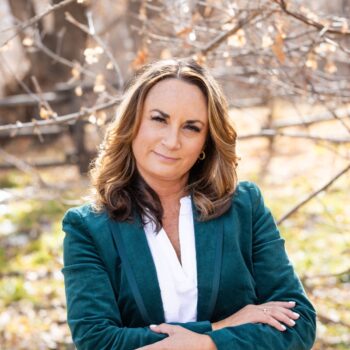
Jennifer Murdock-Bishop
Interim Chair and Professor
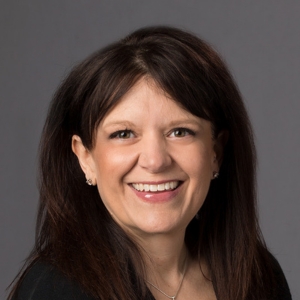
Heather Pendleton-Helm
Dean, College of Education & Behavioral Sciences
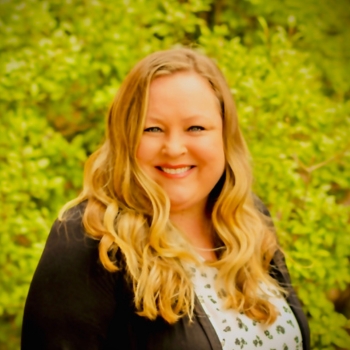
Kristin Myers
Assistant Professor
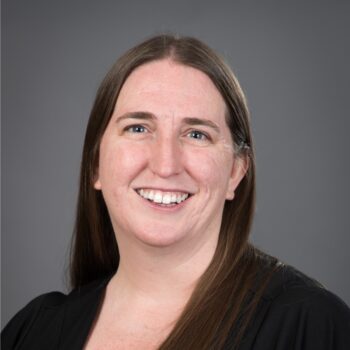
Bonnie Nicholson
Assistant Professor
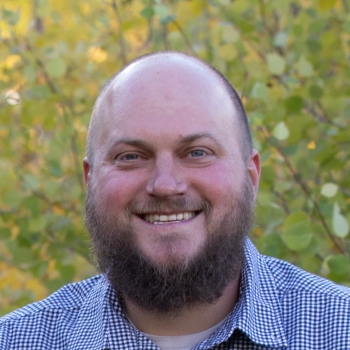
Matthew Tis
Assistant Professor
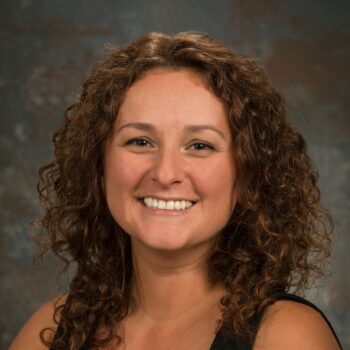
Angela Weingartner
Associate Professor and Professional Counseling Program Coordinator
Program Evaluation Documents
Mission Statement
It is the mission of the Counselor Education and Supervision doctoral program faculty to prepare individuals for the wide-ranging roles and responsibilities of counselor educators and supervisors. The program faculty strive to prepare students to respond to the diverse needs of society through a social justice perspective. Program faculty endeavor to provide for a depth and breadth of learning across all areas of counselor education, including counseling, supervision, scholarship, teaching, leadership, and advocacy. The program faculty aim to create an engaging and challenging learning environment while meeting individual students’ professional goals and aspirations. By fostering self-discovery and awareness, the program faculty strive to honor students’ unique contributions to the learning community while enriching student/faculty mentoring and collegial relationships through applied pedagogy, professional practice opportunities, and scholarly dialogue.
Program Objectives
- Understand counseling theories and proven counseling methods for individuals, couples, and groups. Use these skills in different settings while following ethical, legal, and culturally respectful guidelines.
- Learn how to use and interpret tests and assessments properly, including their history. Practice using culturally appropriate methods to assess clients in high-risk situations, spot trauma or abuse, and make treatment or diagnosis decisions.
- Learn the purpose of clinical supervision and how to build strong supervisory relationships
- Study different supervision methods and learn how to use technology in supervision
- Learn how to assess and guide supervisees and manage administrative tasks
- Follow legal and ethical rules
- help supervisees improve through evaluation and support
Gain skills in teaching methods, adult learning, and curriculum design for different learning settings. Learn how to deliver lessons, evaluate learning, and assess students using ethical and culturally respectful strategies.
Understand the role of a counselor educator, including:
- teaching career development
- human growth and development
- mentoring students
- managing screening, support, and supervision of counselors in training
- Learn how to create research questions for professional studies and publications.
- Understand ways to work with human subjects, use new research methods, design research tools, and evaluate programs.
- Gain skills in preparing and presenting conference proposals, writing for journals and newsletters, and creating grant proposals and funding requests.
Develop and demonstrate an integration of the knowledge and skills needed to be successful as Counselor Educators
Utilize self-reflection to demonstrate an increased self-awareness and integration feedback in a productive and thoughtful manner.
Questions? Contact Us!
Jennifer Murdock-Bishop
Interim Chair and Professor