

Emergency Preparedness
The University of Northern Colorado is committed to helping keep our campus community safe and prepared; we focus on giving students the tools, information, and support they need before, during, and after an emergency. From safety training and alerts to campus-wide emergency planning, we work to make sure the campus community can focus on their educational goals while knowing help and resources are ready when needed.
Preparation only matters if you know when to put it into action. That’s why the first step in staying safe is making sure you’re signed up for UNC Emergency Alerts. Whenever an emergency occurs on campus, one of our top priorities is to notify the campus community as quickly as possible. To learn more about the alert system, or to view active and past alerts, visit our alerts website.
Are you Prepared?
Winter Weather
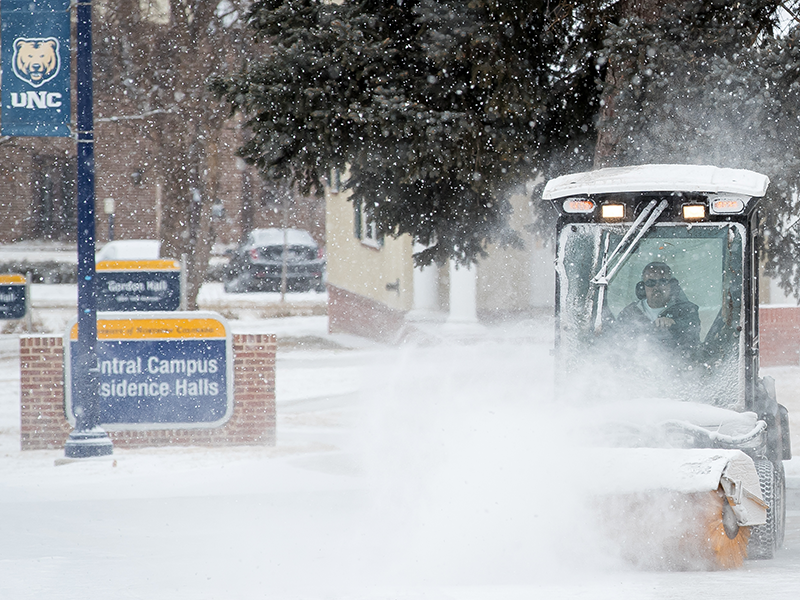
Winter weather is one of the most common emergencies on campus. While it’s often less severe than other hazards, it can still cause disruptions. Most of us are used to dealing with winter conditions, but it’s important to stay prepared. As we move into the colder months, keep an eye on changing conditions and be sure you’re signed up for UNC Emergency Alerts to receive updates about cancellations or delays.
For students experiencing their first Colorado winter, here are a few tips to help you stay safe and prepared:
-
Dress appropriately: Wear gloves, hats, sturdy footwear, and dress in layers.
-
Prepare your car: Keep extra clothes, water, and non-perishable food in your vehicle when traveling in winter.
-
Plan ahead: Allow extra time to reach your destination when snow or ice is on the ground.
Severe Weather and Tornados
Every year, Northern Colorado experiences dozens of severe thunderstorms, and these storms can develop quickly. We monitor their tracks closely and issue UNC Emergency Alerts if they are projected to impact campus. Severe thunderstorms bring a range of hazards, from high winds that can knock down trees or power lines, to large hail that can damage vehicles, roofs, and windows. Heavy rain may also lead to flooding in buildings, sidewalks, or roadways, and in rare cases, storm conditions can intensify into a tornado.
If storms are in the area, remain alert and take warnings seriously. Seek shelter indoors if conditions worsen and avoid being outside during high winds or hail. It’s also important to know the location of the nearest designated shelter areas in the buildings where you spend the most time on campus. Being prepared ahead of time makes it easier to act quickly when every second counts.

Active Harmers
While it’s not something anyone likes to think about, UNC is committed to continuously improving campus safety. All exterior doors on campus are equipped with electronic locks that can be secured remotely by UNC Police during an incident. In addition, UNC Police and the Environmental Health and Safety office offer active harm prevention trainings for students and staff. Until you’re able to attend a training, please review the resources below to help you stay prepared.

Environmental Hazards
Hazards on campus can range from something as simple as a pothole that needs repair to something as serious as a hazardous chemical spill, and everything in between. Even minor issues can pose risks if left unaddressed, so it’s important that we hear about all of them. If you see anything that could be hazardous to your fellow Bears or the campus community, please report it right away to Environmental Health and Safety (EHS) or UNC Police. Your quick action helps keep our campus safe for everyone.

Emergency Resources
For Emergency Assistance Call UNC Police 970-351-2245