

Competitions
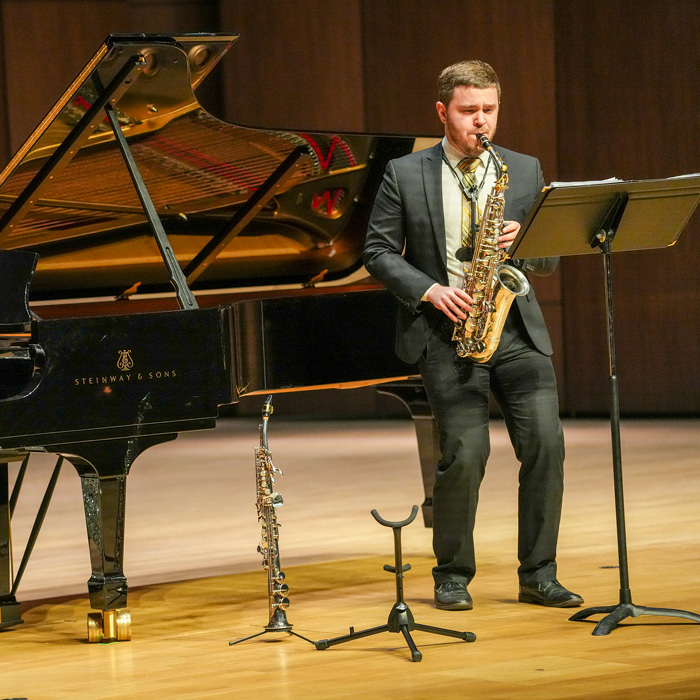
Supportive competition can be the key to artistic growth.
You’ll have opportunities to showcase your talents in the Southard Art Awards, the Southard Music Competition and the UNC Symphony Orchestra Concerto Competition. These are not just about winning. They’re designed to inspire, give you valuable performance experience and offer you constructive feedback in a nurturing environment.
Danielle Ong Min Lee, 2023 Southard Music Competition first place winner.
Competitions
UNC Symphony Orchestra Concerto Competition
The competition is open to all UNC students currently enrolled in applied music who receive approval from their applied instructor. Pieces requiring up to four soloists are acceptable. Vocalists are required to present a substantial work, such as a song cycle or other extended work, comparable to an instrumental concerto. No student may enter the competition on more than one piece during the same competition. Previous winners may not compete again.
Each spring the Concerto Competition winners have the opportunity to perform their solo work with the UNC Symphony Orchestra.
Contact: Andrés Felipe Jaime
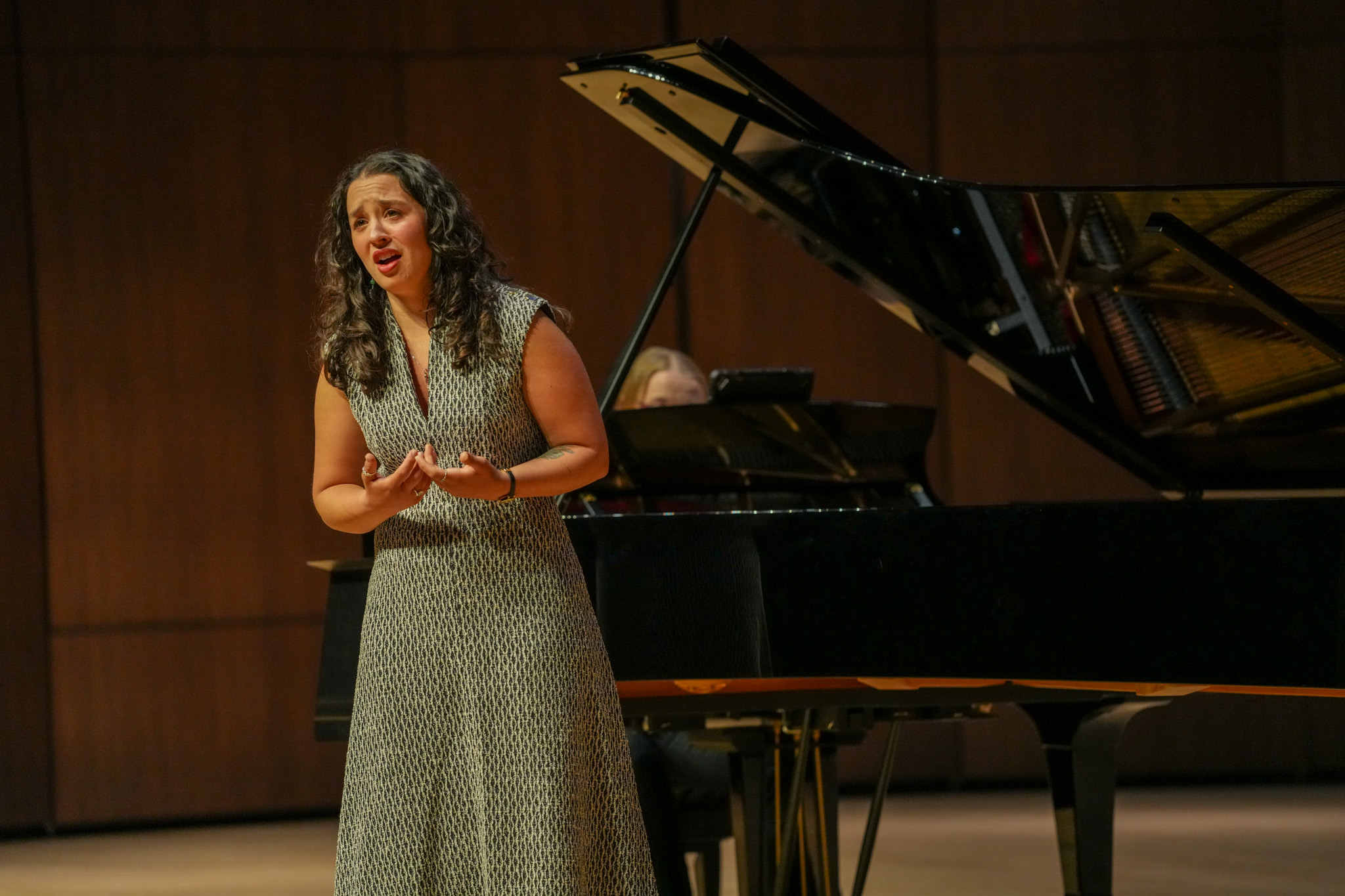
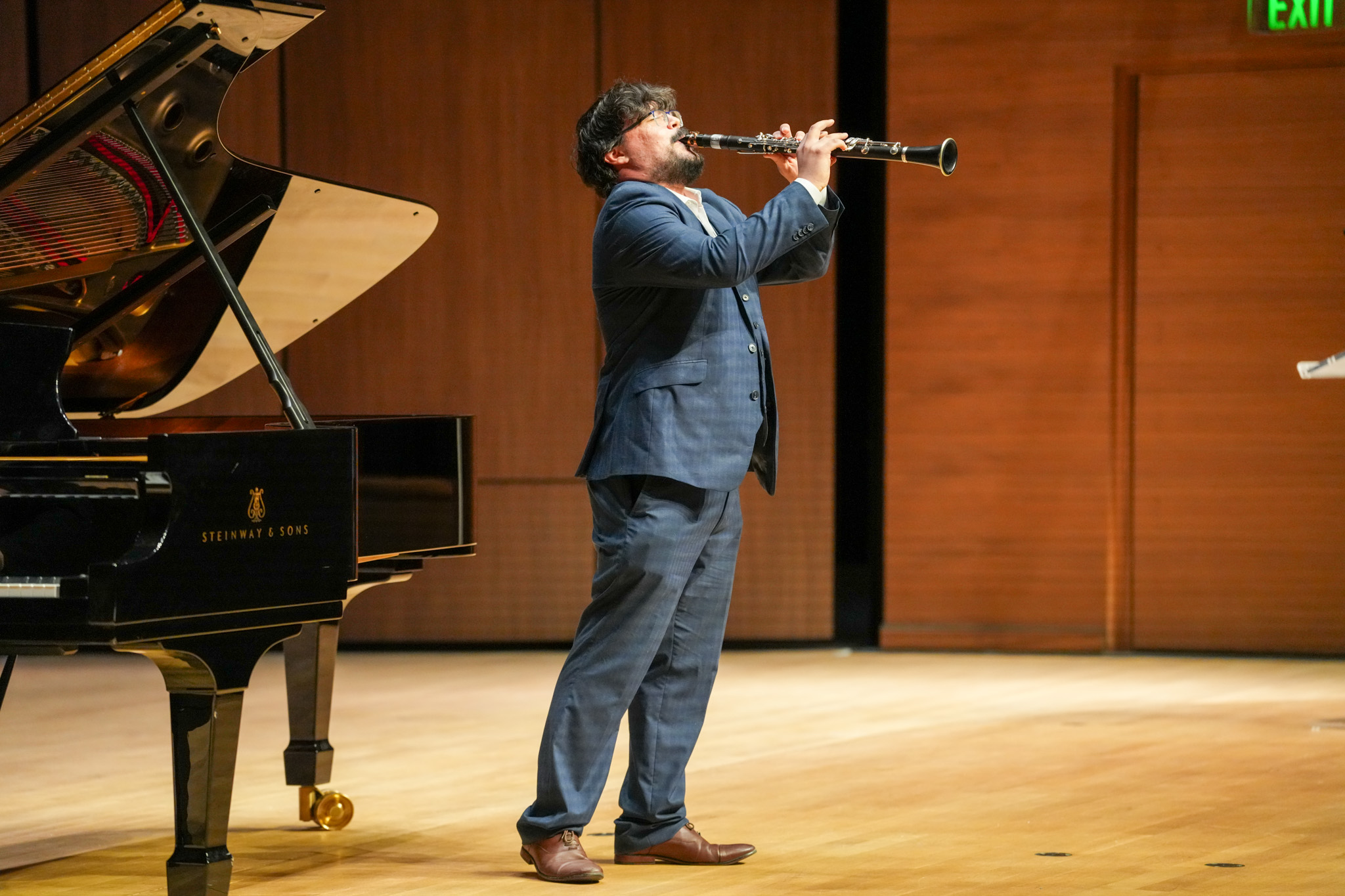
The UNC Southard Music Competition has traditionally been one of the school’s premier showcase events, highlighting the breadth and depth of the musical talent of students as soloists and chamber players.
The Southard Music Competition is open to all enrolled UNC Students (graduate and undergraduate) who are recommended by their applied teachers. All application requirements must be fulfilled to be eligible for an award.
Three scholarship awards will be awarded to outstanding soloists and/or ensembles:
First Place: $2,000
Second Place: $1,450
Third Place: $1,000
The award is to be split by a chamber group or with the accompanist of a solo work if the accompanist is a student. Please note that first place winners in any category from prior year competitions are ineligible to compete again. All three winners will perform at the PVA Spotlight Signature Event on April 2, 2026 at 7:30pm in Campus Commons Performance Hall.
Southard Music Competition Application
Contact: Andrew Dahlke
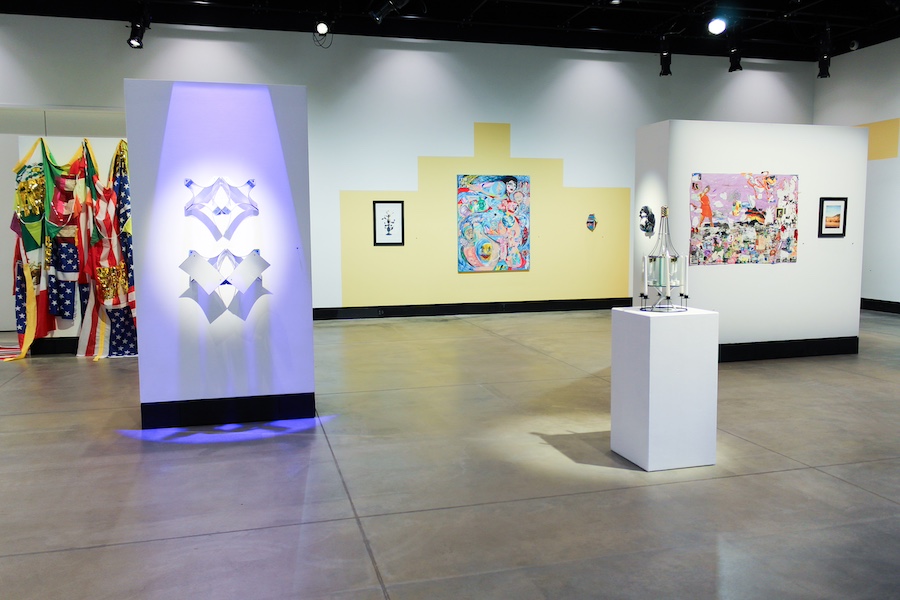
The Southard Awards are the School of Art and Design’s most prestigious competition. Students submit a written proposal selected for a public presentation of creative work. The objective for the competitive process is provide students with an opportunity to develop the materials, documentation and conceptual sophistication, needed in order to pursue advanced academic or professional opportunities upon graduation from UNC.
Southard Art Awards Application
Contact: UNC Galleries
Southard Art Awards
This application is open to all students within the School of Art and Design. Students who were previously finalists in past Southard Awards are not eligible to be finalists again. Students interested in applying must submit all of the following items (incomplete submissions will NOT be reviewed).
A panel of jurors will review completed applications; a selection of finalists will be chosen from the application pool. Finalists will prepare and present a 15-minute artist talk wherein they will be asked to discuss their research, artistic works, technical processes, etc. Each finalist will receive a scholarship award with one grand-prize winner receiving up to $3,000. In addition to presentations, finalists will be asked to submit a few pieces of artwork to be exhibited during the Annual Southard Awards event.
Artistic Portfolio:
(5-10 pieces, max 20 images) – Saved as a single PDF. Present a cohesive body of finished work that demonstrates a clear conceptual throughline or theme. Include high-quality images of each piece that are clear and well-lit, showing the details and craftsmanship of the work. See Portfolio Formatting Guidelines below.
Research/Portfolio Statement:
(250-500 words): Submit a research or portfolio statement that focuses on your body of work and its connections to broader contexts. Address the following:
- The central idea or message of your work.
- How your work connects to historical and contemporary art movements, artists, or academic disciplines and/or research you conducted to inform your work, including cultural, historical, or theoretical influences.
- How your artistic decisions, materials, and techniques support your conceptual goals.
- How this work connects to your future artistic or scholarly goals.
Annotated Bibliography:
(Chicago Manual Style): Include at least 5-10 sources that have influenced your work, such as academic texts, journal articles, exhibitions, or other artists’ works. Write a brief annotation (2-3 sentences) for each source, explaining its relevance to your work.
Portfolio Formatting Guidelines:
- First page: image list of artworks in the order in which they appear (include title, medium, dimensions, year created). Label detail images accordingly.
- One image per page, fit image to page
- For video-based work, paste link to external site such as YouTube or Vimeo
Save all materials in PDF format with your name in the file. Example: Jane Doe_Portfolio, Jane Doe_Annotated Bibliography.
Final Copy of Research Paper/Project:
Art History papers should include Chicago Manual of Style footnotes or endnotes, supporting images, and an annotated bibliography.
Research Statement:
(250-500 words): Submit a research statement that focuses on this Art History paper/project and its connections to broader contexts. Address the following:
- The research process you conducted to inform this paper/project, including cultural, historical, or theoretical influences.
- How this work connects to your future artistic or scholarly goals.
Annotated Bibliography:
Include at least 5-10 sources that have influenced your work, such as academic texts, journal articles, exhibitions, or other artists’ works. Write a brief annotation (2-3 sentences) for each source, explaining its relevance to your work. (Chicago Manual Style).
Formatting Guidelines:
Save all materials in PDF format with your name in the file. Example: Jane Doe_Title of Paper, Jane Doe_Research Statement.
Competition Contacts
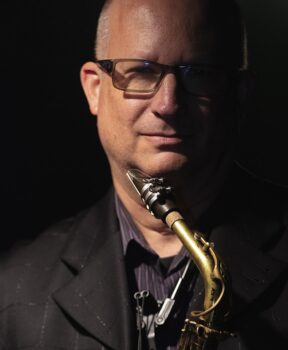
Andy Dahlke
Professor of Saxophone
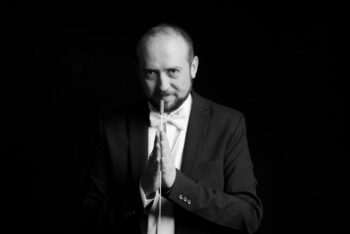
Andrés Felipe Jaime
Assistant Professor of Music, Director of Orchestra
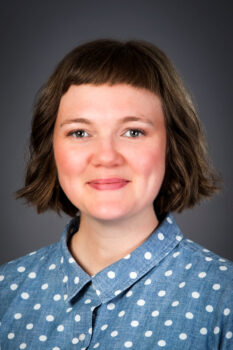
Belle-Pilar Fleming
Director of UNC Galleries