

School Psychology PhD
- Doctoral
- PhD
- In-Person
- Greeley
5 Years
Program Overview
The PhD in School Psychology at the University of Northern Colorado prepares you to support the learning, development and well-being of children and teens. You will learn how to blend psychology and education to understand students’ needs, solve problems and create positive change in schools.
Throughout the program, you will build real-world experience through school-based practice, research and work with families. Students admitted to the PhD program also earn a master’s degree in Foundations of Professional Psychology along the way.
The Foundations of Professional Psychology MA is awarded as part of the PhD program in School Psychology at UNC. You must be admitted to the School Psychology PhD program to earn this master’s degree.
This MA is not a standalone program. Instead, it serves as a milestone on the way to the doctorate. Students who complete the master’s degree and make satisfactory progress are automatically advanced in the School Psychology PhD program.
Before the program reviews your application, you must apply to the Graduate School at UNC. Missing materials may delay your evaluation.
To be considered, applicants must:
- Hold a bachelor’s or master’s degree from an accredited institution (or equivalent from a recognized foreign institution).
- Have a cumulative GPA of 3.00 or higher (on a 4.00 scale) for your most recent or current degree.
Still completing your degree?
- Admission is based on your current GPA.
- You must submit your official transcript showing your conferred degree and final GPA during your first semester.
- If your final GPA is below 3.00, the program may set additional requirements that must be completed within one year to remain enrolled.
*If you have completed 18 or more credit hours of a master’s degree, your master’s GPA will be used for admission evaluation.
Total Credits: 89–91
Program Highlights:
- Hands-on Training: Practicum, externship and internship experiences working with children, adolescents, families and school systems.
- Research and Dissertation: Advanced research methods, statistical analysis and original dissertation research contributing to the field.
- Comprehensive Preparation: Coursework in assessment, consultation, trauma intervention, ethics, diversity and equity prepares students for licensure and professional practice.
Accreditation
Doctoral graduates are eligible for licensure as psychologists through the state psychology licensure board and as school psychologists through the state Department of Education. Additionally, graduates may be qualified to assume positions as university professors, educational evaluators, private consultants, and therapists.
The program is accredited by the Commission on Accreditation of the American Psychological Association (APA).
Questions regarding the program’s accredited status may be directed to:
Commission on Accreditation
Office of Program Consultation and Accreditation
American Psychological Association
750 1st St. NE
Washington, DC 20002
Phone: (202) 336-5979
Email: apaaccred@apa.org
Additionally, the program is approved by the National Association of School Psychologists (NASP).
What Makes This Program Unique
APA Accredited and Licensure Ready
Accredited by the American Psychological Association, the program provides a direct pathway to psychologist licensure and school psychologist certification.
Job Placement and Career Impact
Graduates step into meaningful roles in schools, clinics, hospitals and universities, supported by a proven 100% job placement rate.
Nationally Recognized Training and Faculty
The program combines research, applied practice and nationally respected faculty expertise to deliver training that meets the highest standards in the field.
Your Future in School Psychology
Is This Path Right for You?
Consider UNC’s School Psychology graduate programs if you are:
-
Dedicated to improving the lives of children, their families and their teachers
-
Interested in supporting students with learning disabilities, special needs or behavioral challenges
What You’ll Learn
You will build practical skills in:
- Understanding student learning and behavior
- Consulting with teachers, families and school teams
- Assessing cognitive, academic and social-emotional needs
- Counseling children and adolescents
- Supervising school psychologists
- Conducting applied research
Sample Courses
- Applied Behavior Analysis
- School-Based Psychological Consultation
- Advanced Psychopathology
- Assessment II: Socio-Emotional and Behavioral Functioning
- Ethics and Legal Frameworks in School and Child Psychological Practice
- Evaluation of Psychological Services
Life in the Program: Student Perspectives
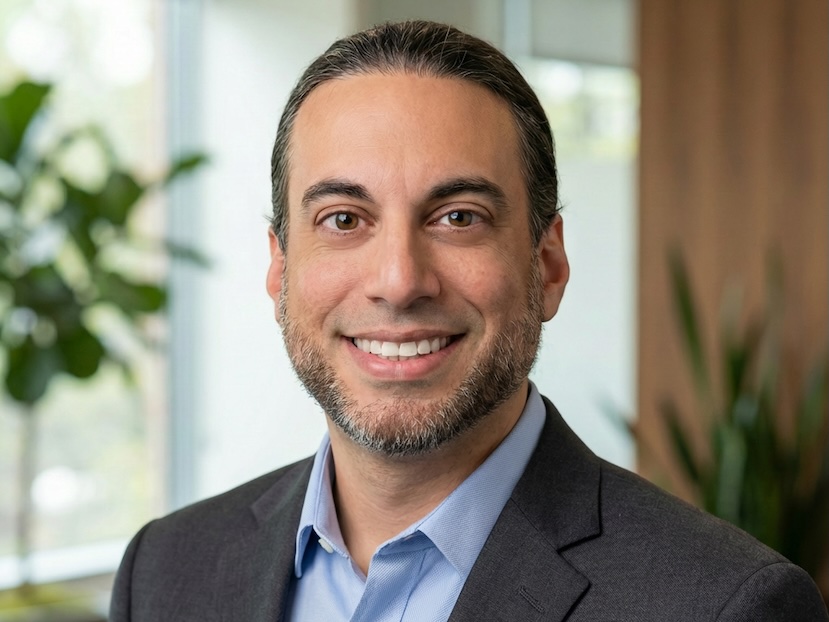
Bridging the Gap Between Schools, Families and Mental Health
I found this program to be an excellent foundation for my career in educational and mental health support. The curriculum and hands-on experiences have prepared me to thrive in and promote a collaborative environment, working alongside educators, families and clinicians.
Chris Otero
School Psychology, PhD

Doctoral Research
I hope more research will be built upon what I’m starting, and from it we can, as a field, determine the best practices to support people and train school psychologists who are able to work within complex systems and stay well. Our faculty and trainers can do a lot to shift that dynamic
Ali Ryan
School Psychology, PhD


Professional Licensure
UNC’s professional licensure programs are designed to lead to Colorado licensure.
Each state sets their own requirements, so a UNC program might not lead to licensure in other states. Visit the UNC Professional Licensure page to learn more about which states UNC programs meet educational requirements for licensure. It’s important to understand requirements in the state where you plan to work. Visit the State Licensure Boards page to find each state’s licensing agency and contact information.
Have questions? We're here to help!
School Psychology
UNC’s School Psychology programs train students to become school psychologists. Students learn how to apply theory and research to the practice of psychology in schools and related settings. Our accredited programs are carefully designed to meet national standards of practice and to provide state-of-the-art training, and they are delivered by distinguished faculty recognized nationally and internationally for their work in the field. Our graduates’ job placement rate is 100%.
- 970-351-2817
- McKee 248
David Hulac
Interim Chair and Professor