

Jeanne Clery Campus Security Act (Clery Act)
Office
The Jeanne Clery Campus Safety Act (Clery Act) is a federal statute codified at 20 U.S.C. § 1092(f), with implementing regulations in the U.S. Code of Federal Regulations at 34 C.F.R. 668.46.
The Clery Act requires all colleges and universities that participate in federal financial aid programs to keep and disclose information about certain crimes. Compliance is monitored by the United States Department of Education, which can impose civil penalties against institutions for each infraction and can suspend institutions from participating in federal student financial aid programs.
Campus Security Authorities (CSAs)
What is a Campus Security Authority
The Clery Act designates the following individuals as Campus Security Authorities (CSAs):
- Members of an institution’s campus police or campus security department.
- Any individuals who are responsible for campus security but who do not constitute a campus police department or a campus security department.
- Any individual or organization specified in an institution’s statement of campus security policy as an individual to which students and employees should report criminal offenses.
- An official of an institution who has significant responsibility for student and campus activities, including but not limited to, student housing, student discipline and campus judicial proceedings.
Clery Geography
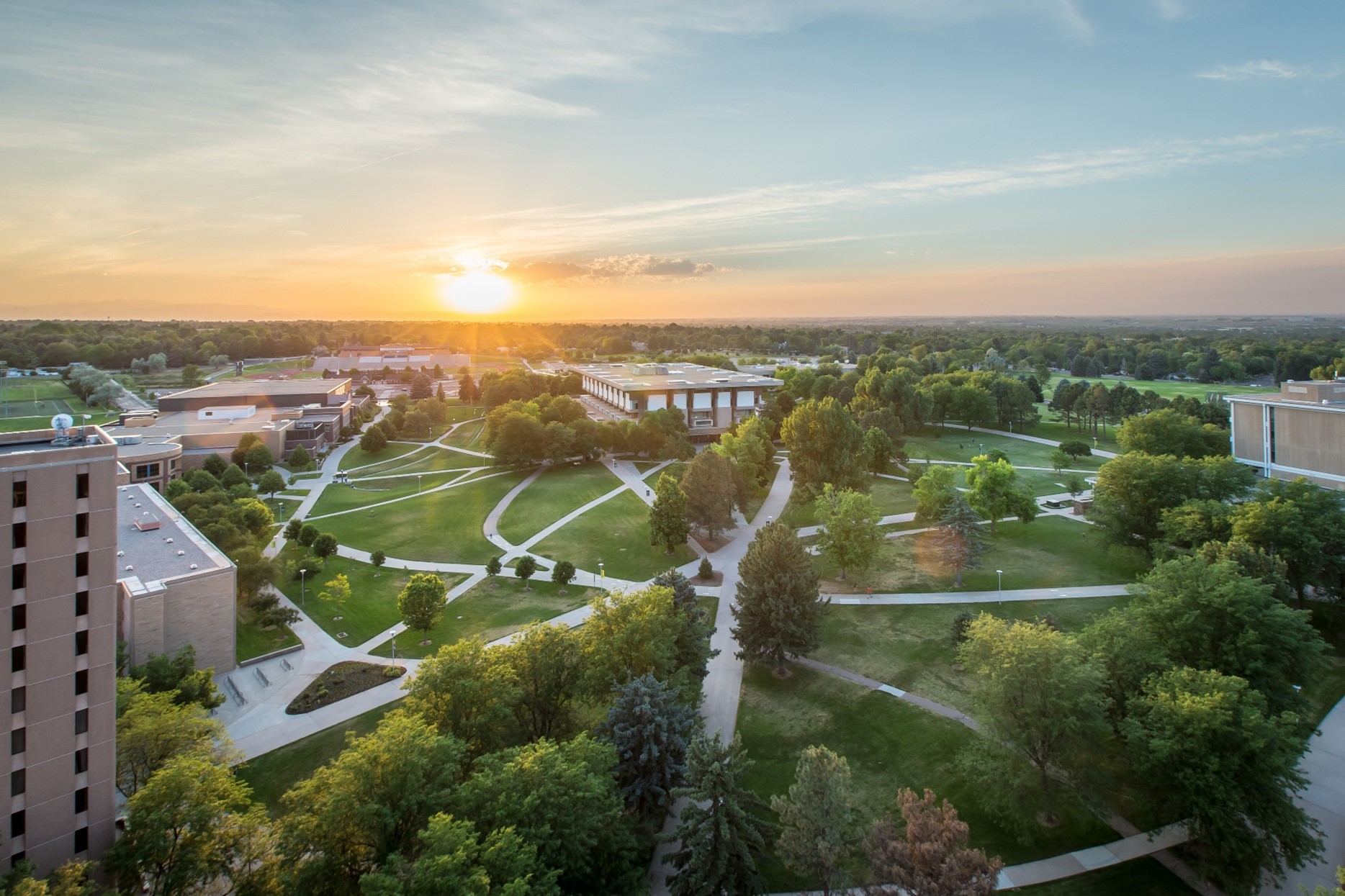
On-Campus Property is defined as:
- Any building or property owned or controlled by an institution within the same reasonably contiguous geographic area and used by the institution in direct support of, or in a manner related to, the institution’s educational purposes, including residence halls; and
- Any building or property that is within reasonably or contiguous to the area identified in the above paragraph of this definition, that is owned by the institution but controlled by another person, is frequently used by students, and supports institutional purposes.
Non-Campus Property is defined as:
- Any building or property owned or controlled by a student organization that is officially recognized by the institution; or
- Any building or property owned or controlled by an institution that is used in direct support of, or in relation to, the institution’s educational purposes, is frequently used by students, and is not within the same reasonably contiguous geographic area of the institution.
Public Property is defined as:
- All public property, including thoroughfares, streets, sidewalks, and parking facilities, that is within the campus, or immediately adjacent to and accessible from the campus.
Clery Reportable Crimes
The Clery Act requires institutions to disclose statistics and issue timely warnings (crime alerts) based on the types of crimes that were reported and where they happened. For more information and the definitions of these crimes, review the Annual Security and Fire Safety Report.
- Murder and Non-negligent Manslaughter:
- Manslaughter by Negligence:
- Rape:
- Fondling:
- Incest:
- Statutory Rape:
- Robbery:
- Aggravated Assault:
- Burglary:
- Motor Vehicle Theft:
- Arson:
- Hate Crime:
- Weapon Law Violations:
- Drug Law Violations:
- Alcohol/Liquor Law Violations:
The Stop Campus Hazing Act of 2024, amended the Clery Act to require institutions to also disclose incidents of hazing reported to have occurred on university Clery Geography.
- Hazing:
- The term “student organization”: