

Learn More
Understanding Different Forms of Gender-Based Violence and the Impact
Going through gender-based violence can be confusing and hard to talk about. It’s not always easy to understand what happened or what to call it. In our society, these experiences are often minimized, and many survivors wonder if what they went through “counts.”
At ASAP, we want you to know: your experience is valid. You are the only one who can define what happened to you.
This page shares helpful information about what gender-based violence means, how it affects people, and how to recognize safe and secure relationships and consent. We also talk about how the brain reacts to trauma and clear up common myths about sexual violence, relationship violence, and stalking.
Who You’ll Talk to at ASAP
ASAP Advocates are trained UNC students who are here to help.
They complete a required 40-hour training on sexual violence, relationship abuse, stalking, and how to support survivors.
How can I receive support from an advocate?
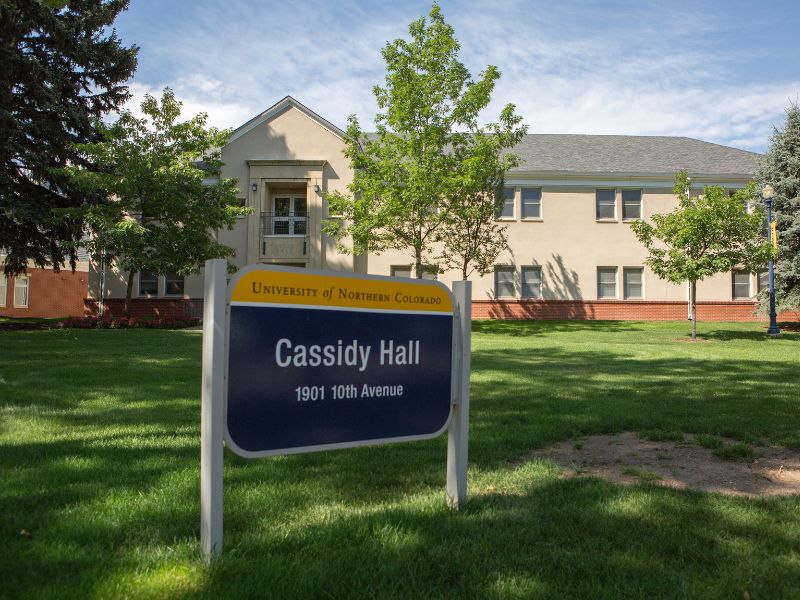
You can visit our office in Cassidy Hall (1901 10th Ave), 2nd floor, during business hours: Monday–Friday, 9 a.m. to 5 p.m.
If you’d rather not come in, that’s okay! You can call us at 970-351-1490 or email us at advocacy@unco.edu.
Need help right away? Advocates are available 24/7 on our crisis line: 970-351-4040.
How ASAP Can Help
Services ASAP Provides
ASAP has a variety of services. Advocates work with survivors to explore options and meet their needs, whatever they may be.
Our services include:
Academic Support
ASAP can help you with school-related challenges after experiencing trauma. We can send academic intervention letters to your professors and support you through University appeal processes, like tuition or retroactive appeals.
Your Choices for Reporting
We help survivors understand their options for reporting. We talk with you about your goals and explain how each process works. You get to decide what’s best for you, and we’re here to support you every step of the way.
Creating a Safety Plan
Safety is a big concern for survivors of gender-based violence. We work with survivors to come up with safety plans and steps to help keep them safe.
Finding the Right Resources
We help survivors connect with support on campus and in the community.
Common Questions and Topics
Sexual violence is any sexual touch, action, or comment that happens without clear permission. This can include things like rape, sexual assault, incest, molestation, sexual harassment, or cat-calling.
At UNC, the Student Code of Conduct uses the term Sexual Misconduct to describe sexual assault. Keep in mind that UNC and the police may have different definitions of these terms. Sexual violence can happen to anyone, no matter their sex, gender identity, or sexual orientation. It’s not about sex—it’s about power and control.
Everyone deserves to feel safe, respected, and supported in their relationships.
Healthy relationships are built on trust, communication, and care. Setting boundaries, listening to each other, and being honest are important ways to build strong connections.
Safe and secure relationships help us grow, feel valued, and succeed—in and out of the classroom.
Intimate partner violence (also called relationship abuse) is when one person in a romantic or dating relationship tries to control, hurt, or scare the other person. This can include physical harm, threats, name-calling, controlling who someone talks to, or not respecting boundaries.
It can happen to anyone—no matter your age, gender, or background. Abuse is never the survivor’s fault.
Everyone deserves to feel safe and respected in their relationships. If you or someone you know is experiencing relationship abuse, help is available.
Intimate Partner Violence can include:
- Physical Abuse
- Hitting, slapping, or pushing
- Grabbing, shaking, or blocking someone from leaving
- Throwing or breaking things to scare someone
- Emotional or Verbal Abuse
- Yelling or calling someone names
- Making someone feel bad about themselves
- Blaming them for things that aren’t their fault
- Threatening to hurt them or people they care about
- Sexual Abuse
- Forcing or pressuring someone to have sex
- Touching someone in a sexual way without their consent
- Making someone feel guilty for saying no
- Digital Abuse
- Constantly texting or checking up on someone
- Controlling who someone talks to online
- Demanding passwords or access to private accounts
- Posting private or hurtful things about someone
- Financial Abuse
- Taking or hiding someone’s money
- Not allowing someone to work or go to school
- Controlling what someone buys or making them ask for money
- Social Abuse
- Keeping someone away from their friends or family
- Making them feel guilty for spending time with others
- Spreading lies to ruin their relationships
Stalking is a course of conduct that would cause a person to feel fear.
It can include:
- Showing up where you are without a reason
- Repeatedly texting, calling, or messaging you, even when you’ve asked them to stop
- Leaving unwanted gifts or notes
- Watching or tracking your location
- Using social media to spy on you
Stalking can happen in person or online. It can come from someone you know, like a friend, classmate, or ex-partner.
Consent means giving clear, enthusiastic, and ongoing permission for something to happen—like holding hands, kissing, or any kind of sexual activity. Consent goes beyond sexual interactions, we see consent in our everyday lives. Such as agreeing on a restraunt to eat at with friends, what time, and how you will get there.
At UNC, we believe that consent means saying “yes” freely, with no pressure or fear. A real “yes” can only happen when saying “no” is also a safe and real choice.
Consent is not something you get once and forget. It’s an ongoing, respectful conversation about what you and your partner(s) want or don’t want. Consent should happen before and during any sexual activity. It’s okay to change your mind at any time—check in often to make sure everyone is still comfortable and having a good experience.
Here’s what doesn’t count as consent:
- Silence
- “Yes” when someone feels scared or pressured
- Assuming it’s okay because of something that happened before
Even though talking about sex can feel awkward, open communication helps everyone feel more comfortable and respected. When you ask, listen, and share honestly, it makes the experience safer and more enjoyable for everyone involved.
Consent is:
- Freely Given: A choice made without pressure, coercion, manipulation
- Ongoing/Active: Can be revoked at anytime, just because you did it once does not mean you have to do it again
- Coherent/Sober: This does not mean the absence of substances completely
- Slurred speech, inability to stand, vomiting are indicators that consent cannot be given
- Informed/Specific: Having the full story of what is happening/going to happen. Saying yes to one thing is not yes to all things
- Ex: if you consent to sex with a condom and one is not used, consent is not there. Consenting to making out does not mean you consent to having sex
- Enthusiastic: Only do what you want to do, not what is “expected” of you
It’s Not Consent If:
- “Someone doesn’t say “yes” clearly and freely.
- Someone feels scared, pressured, or forced to say “yes.”
- Someone is too drunk, high, or upset to make clear decisions.
- Someone stays silent or doesn’t say “no,” but doesn’t actually agree.
- Consent is assumed because of something that happened before.
- Someone changes their mind and says “no,” but it’s ignored.”
When talking about consent, there’s a lot to discuss! Consent needs to be clear and informed. Vague or unclear invitations don’t give someone the chance to say a true “yes.”
Talk about what activities you want to do and how you want to do them. Share what you don’t enjoy, where and when you feel comfortable, and what your boundaries are. It’s also important to discuss your needs and things like using condoms, dental dams, or other ways to prevent pregnancy and STIs.
Safe and Secure Relationships
Safe and secure relationships can be different for everyone. Whether it’s one partner or more, romantic or sexual, only you can decide what feels right and secure for you.
If you’re looking for a relationship or already in one, it’s important that you and your partner(s) agree on what a safe and secure relationship means. It might not always be easy, but everyone deserves to be in a relationship where they feel safe and respected.
In a safe and secure relationship, everyone should have an equal voice and feel comfortable sharing their feelings. Good communication, clear consent, and trust are key parts of any safe and secure relationship.
Disagreements happen sometimes—that’s normal. What matters is how you handle them. Both people should work together to talk things through in a respectful way.
For more information about safe and secure relationships and how to communicate better, visit loveisrespect.org.
What Guides Our Work
ASAP’s mission is to facilitate the recovery of sexual violence, intimate partner violence, and stalking survivors by creating a safe environment in which the student survivor may complete their education. This is accomplished by the provision of crisis, academic, and advocacy services to the survivor and their significant other(s).