

Finances and Funding
Studying abroad is an exciting opportunity and it’s normal to have questions about affordability. Costs can vary based on factors like program length, program type, and the cost of living in your host city. Below are things to consider when you are exploring your options.
UNC Study Abroad Fees
Education Abroad has two fees associated with studying abroad. This Includes the Administration Fee and the Application Fee.
- UNC Study Abroad Administration Fee: $500 per semester or $800 per year
- UNC Study Abroad Application Fee: $50 per application
*These fees are added to Ursa after the student has been accepted to their program by UNC Study Abroad
Costs by Program Type

UNC Exchange Programs
Tuition and Fees are the cost of your full time UNC tuition and paid to UNC via Ursa. Housing is paid for by the student to the either their host university, or through a lease, and landlord abroad prior to or at arrival to the program. (This works similar to having a lease in America and we help you find and set up housing prior to leaving the US)

ISEP Exchange Programs
Tuition and Fees are the cost of your full time UNC tuition and paid to UNC via Ursa. You will be billed for the cost of Tier 3 housing and for a 300 Meals Meal Plan via your Ursa account.

Affiliate Programs (ISEP Direct, USAC, AIFS)
Tuition, Fees, and Housing are included in the cost of the program represented in a program fee and paid directly to ISEP, USAC or AIFS.
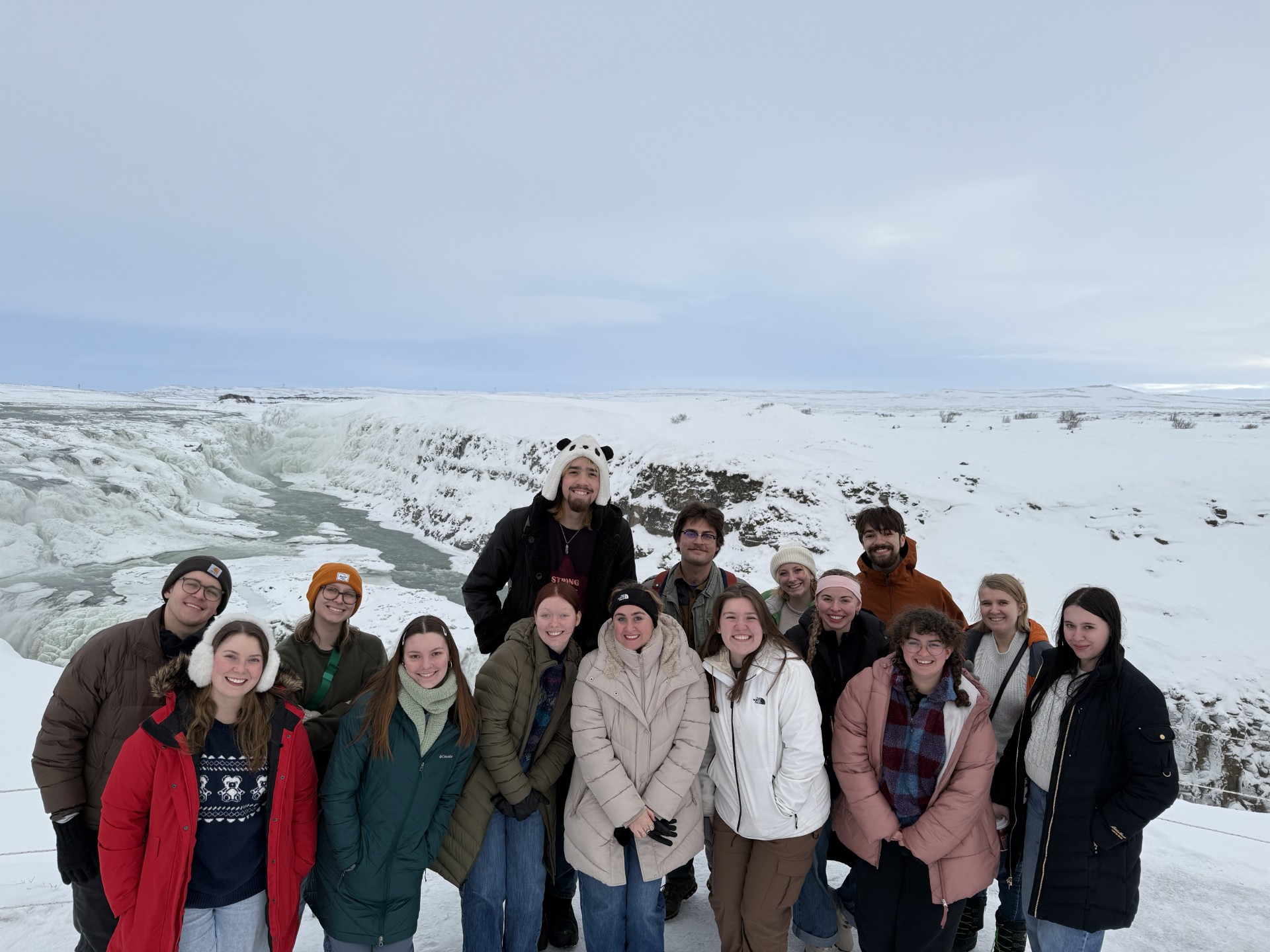
Faculty-Led Study Abroad Experience
Courses created and taught by UNC faculty. Tuition & Fees are curated and custom to each program - tuition, costs, airfare, and housing are included in total package cost. All costs are paid directly to UNC.
Financial Aid
Many students studying abroad at UNC use financial aid or scholarships to fund their study abroad. Always meet with UNC's Financial Aid Office to verify your aid package and whether any restrictions apply.
Scholarships & Funding
It is always encouraged to apply for study abroad scholarships from a variety of sources, including your study abroad program provider and outside organizations.
Budgeting for Study Abroad
Studying abroad may be your first time managing a budget in a different country and currency. Careful planning will help you stay on track. Your costs will depend on the host country’s economy, exchange rates, what’s covered by your program, your spending habits, and how much you travel.
- List your current UNC expenses (tuition, housing, food, books, transportation, supplies, incidentals).
- Subtract financial aid to find your out-of-pocket costs.
- Remember, institutional scholarships or aid only applies to UNC Exchange or ISEP Exchange—not Affiliate programs (USAC, AIFS, ISEP Direct). Federal aid can be applied towards any program type as long as you are enrolled in courses that will count towards your degree requirements.
- If you work during the semester, consider your earnings, but note most students cannot work abroad due to visa restrictions or costs.
Weigh program costs against your UNC expenses. Key factors include:
- Location: Big cities usually cost more than smaller towns.
- Exchange Rate: Stronger U.S. dollar means lower daily costs abroad.
- Timing & Length: Peak travel seasons and longer programs increase costs.
- Travel: Budget for airfare and local transportation.
- Program Inclusions: Check what’s covered (housing, activities, services) and what isn’t. Additional costs often include flights, books, passports/visas, and spending money.
- Study Abroad Fee: All UNC students are charged a $550 fee, which includes UNC International Insurance.
- Tuition & Fees: Vary by program type; confirm with your provider.
- Out-of-Pocket Expenses: Costs outside your program fee (i.e. passport, visa, flights, meals, personal travel, etc.), paid directly by you.