
Biological Sciences
Academic Department
Biology is the study of life. Where did the first organisms come from and how has life changed over millennia? How do we function as individuals – what makes us respond differently to temperature or disease? Biology seeks to understand how organisms function in a changing environment.
M-F 9am-4pm
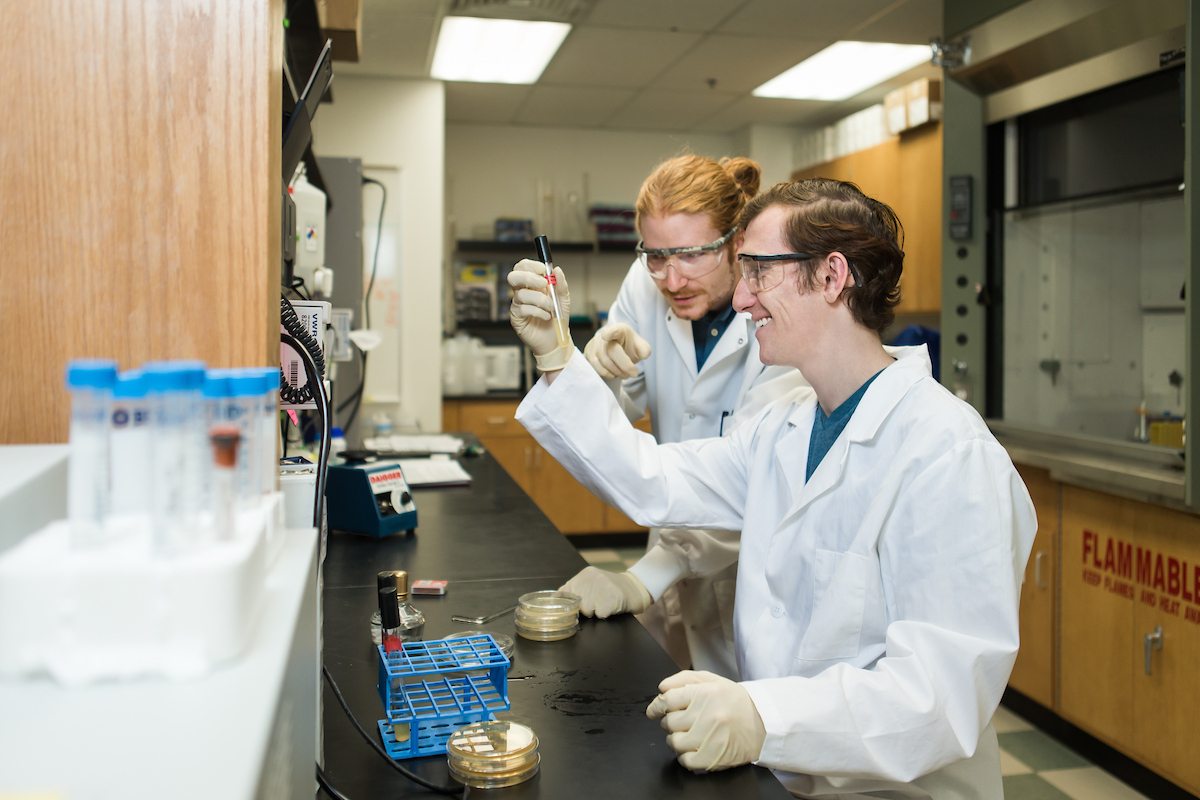
From UNC Biology Student to UNC Medical Student
Choose a bachelor’s degree at UNC and you can begin preparing for medical school within the same university community. UNC’s College of Osteopathic Medicine reserves 10% of its entering class for qualified UNC alumni. Your UNC degree can kick-start your journey to becoming a physician.
Explore. Research. Thrive: Discover Your Path in Biology
Your growth is at the heart of everything we do. You’ll learn from expert professors in state-of-the-art labs, gaining hands-on experiences that build both confidence and skills for any path you choose. As a Biology major, your learning journey doesn’t just prepare you for the future—it becomes the foundation for the future you create.
Careers Powered by Biology
Biology is for everyone—whether you’re preparing for a health profession, pursuing a research career, or exploring the life sciences from a broader perspective. Our programs emphasize hands-on learning from the start: in labs, in the field, and through collaborative research that hones your critical thinking and problem-solving skills. You’ll work with real data, tackle complex questions, and connect biology to real-world challenges—all with the support of expert faculty and peers who share your curiosity. These immersive, flexible experiences prepare you for diverse futures—medical or graduate school, biotech, education, conservation; and give you the skills to adapt and thrive in a changing world.
Why Biological Sciences at UNC?
Wide Range of Pathways
Our program is broad and gives students knowledge and skills in areas like ecology, evolution, cell biology, and teaching. The wide range of classes lets students learn about different topics all in one degree.
Hands on Learning
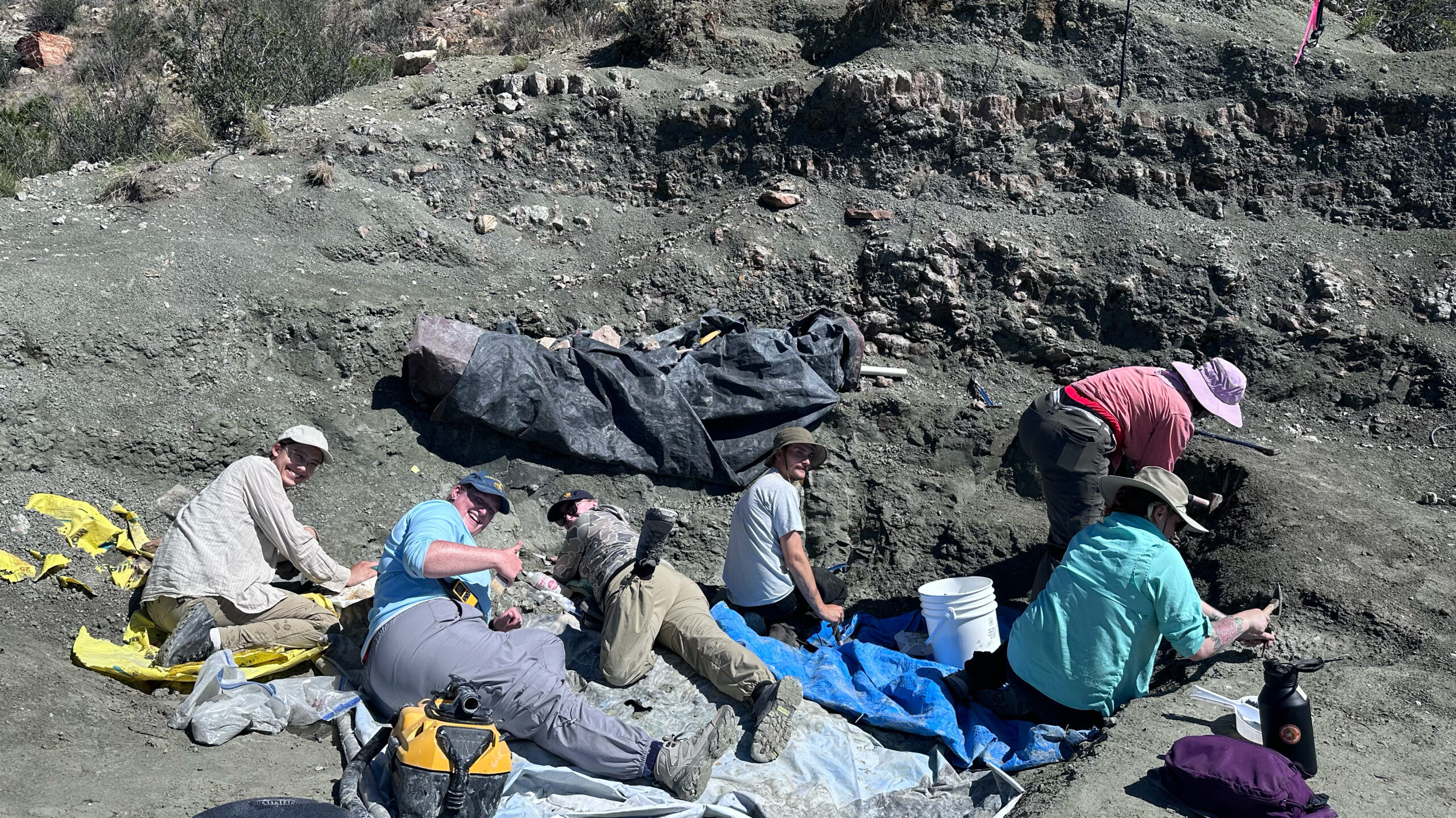
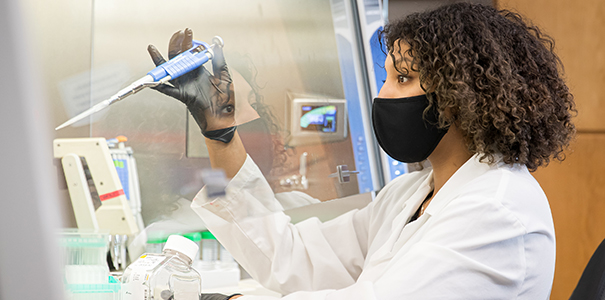
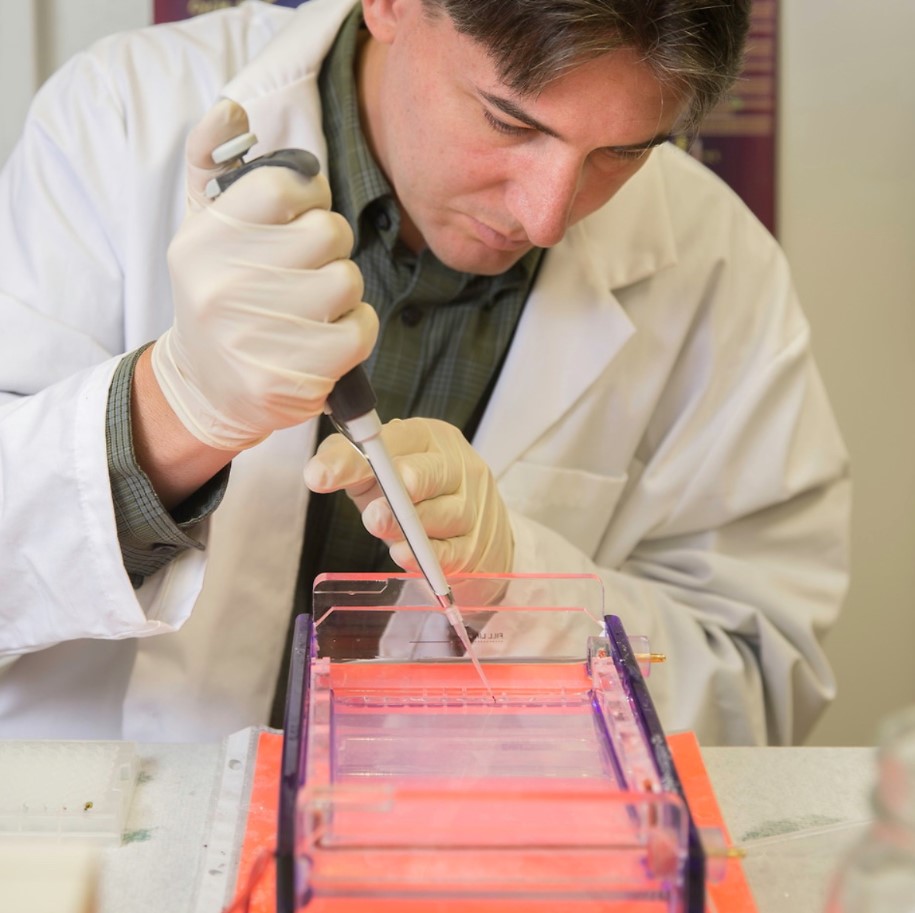
About 80% of students take part in research by working in a teacher’s lab. This hands-on experience helps them learn how science works in the real world. They build important skills like asking questions, solving problems, and thinking carefully about what they discover. Students also learn how to explain their ideas clearly by giving presentations and sharing their research with others.
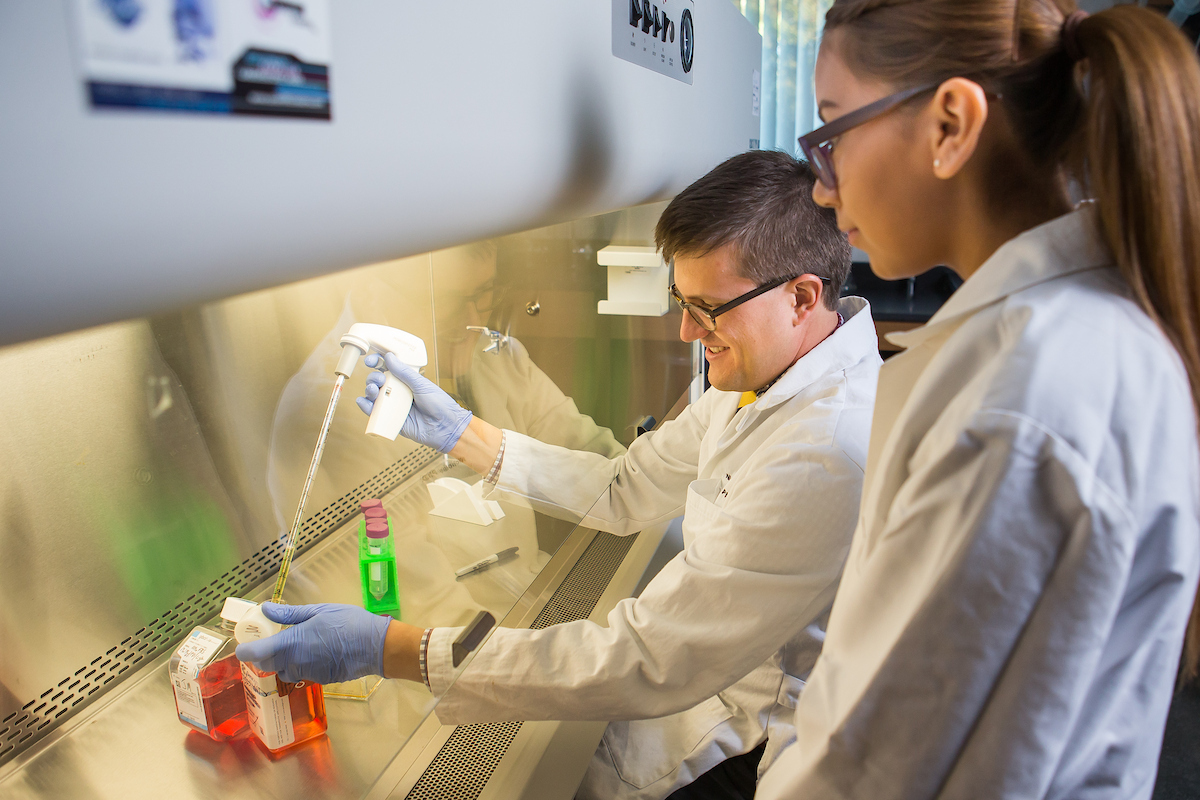
Professor Nick Pullen, guides students on lab research.
Biological Sciences Certificates: Add Career-Ready Skills to Your Degree
Enhance your bachelor’s degree with a certificate in Botany, Wildlife, or Zoology—designed to give you specialized knowledge for careers in natural resource management. These certificates can be completed alongside your major and fulfill coursework requirements often needed by federal and state agencies such as the U.S. Forest Service, Bureau of Land Management, and National Park Service. The Botany certificate focuses on plant identification and taxonomy, the Wildlife certificate explores species management and conservation, and the Zoology certificate provides a strong foundation in animal biology. Each program equips you with practical, field-relevant skills that set you apart in environmental and ecological careers.
Graduate School Opportunities
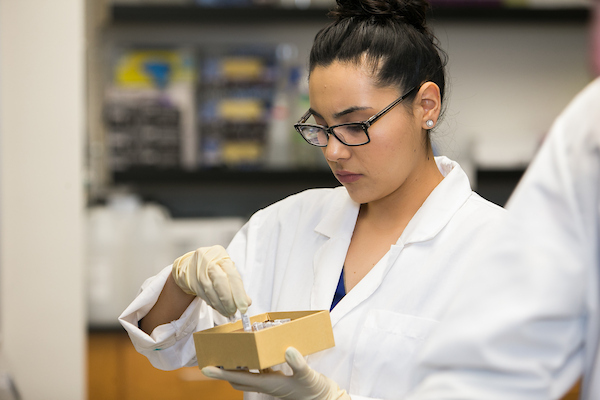
About 70% of students who meet the requirements get into professional schools. Teachers and advisors help guide you from your first classes all the way to your school interviews.
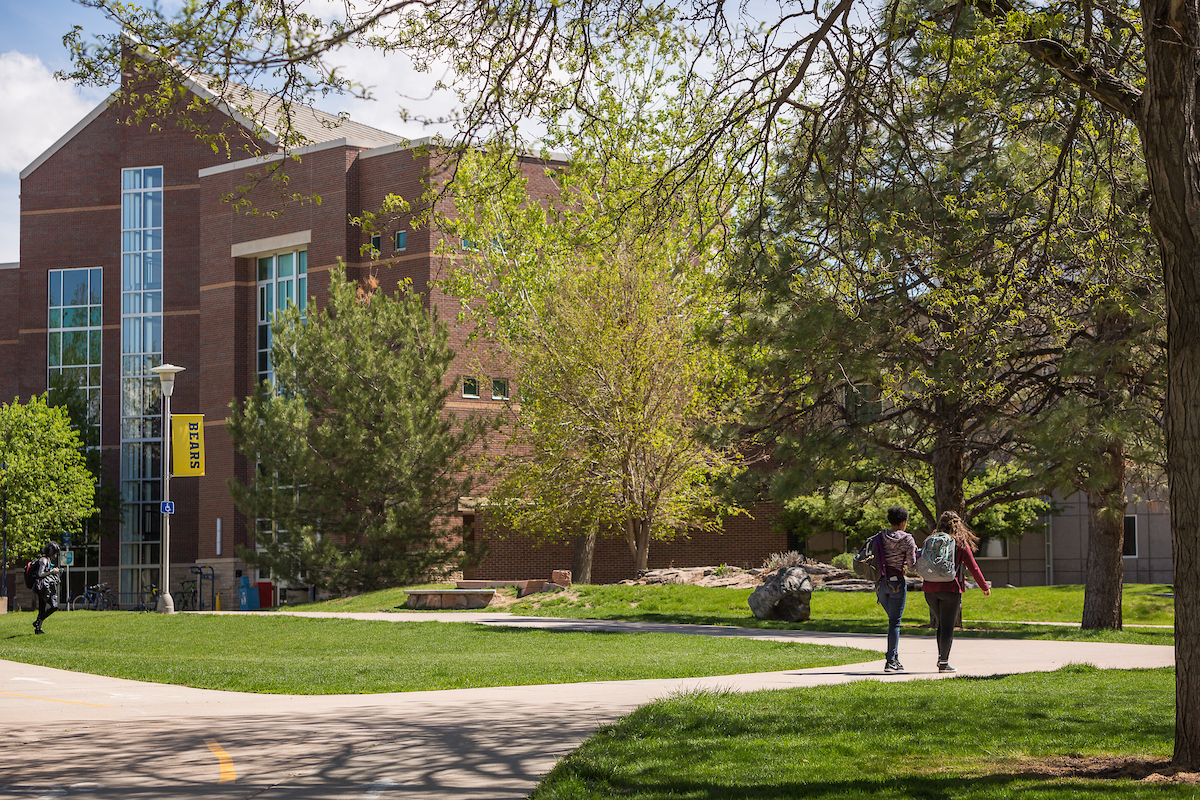
Ross Hall in Spring
Career Opportunities
With a degree in Biological Science, you’ll have exciting career options in top fields like hospitals and healthcare, K–12 education, colleges and universities, and biotechnology. Graduates go on to rewarding jobs in healthcare, science, management, and even sales—showing just how many paths this degree can open for your future.
S4: Your Path to STEM Success
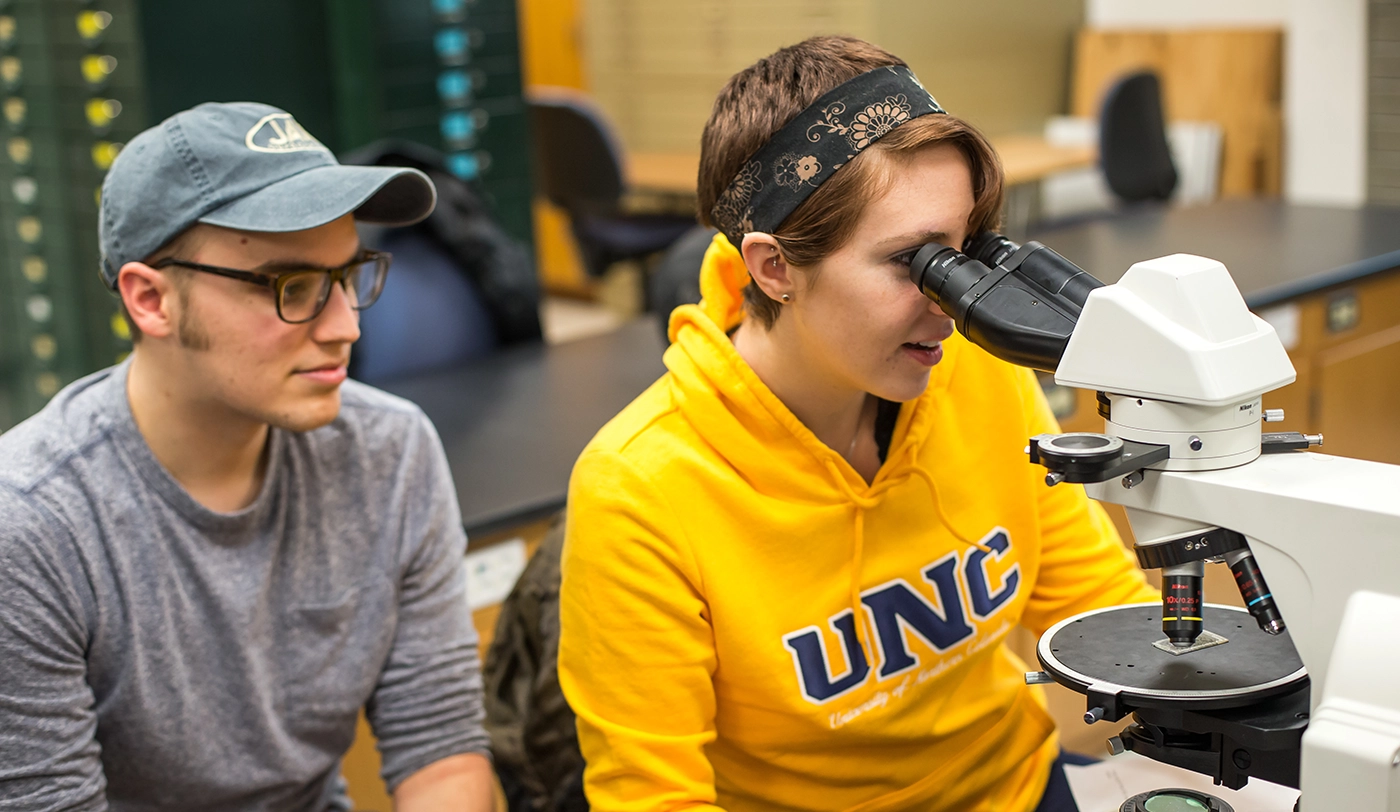
Become an S4 Scholar and gain a scholarship, mentoring, research experience, and internships to grow your STEM skills and launch your career in Biology, Chemistry, Geoscience, Physics, or Math.
Learn More About S4 Scholarships for Science Student Success
Where Your Biology Degree Can Take You
A Biology degree opens the door to many exciting careers. Whether you want to work in healthcare, biotechnology, environmental science, research, education, or conservation, you’ll build the knowledge and hands-on skills needed to succeed after graduation.
Biology graduates work in many different fields, including:
- Biotechnology and pharmaceutical companies
- Clinical and diagnostic laboratories
- Environmental and conservation organizations
- Public health agencies
- Government research laboratories
- Wildlife and natural resource management
- Science education and communication
Many graduates also continue their education by attending graduate, medical, dental, veterinary, pharmacy, or other professional schools.
Possible Careers
- Biologist
- Research Scientist
- Biotechnology Research Associate
- Clinical Laboratory Scientist
- Environmental Scientist
- Wildlife Biologist
- Conservation Scientist
- Microbiologist
- Public Health Professional
- Forensic Scientist
- Science Teacher
- Physician, Dentist, Veterinarian, Pharmacist, or other Healthcare Professional (with additional education)
Explore Career Options
Learn about different biology careers, including job duties, salary information, education requirements, and future job outlook with O*NET OnLine.
Biotechnology & Life Sciences
Interested in working in biotech or pharmaceuticals? BioSpace connects students with internships, entry-level jobs, and careers in the life sciences industry.
Research & Graduate School
Explore research careers, post-baccalaureate programs, and graduate school opportunities through Science Careers, published by the journal Science.
Ecology & Conservation
If you enjoy working outdoors or protecting the environment, the Conservation Job Board features careers in wildlife biology, ecology, conservation, and environmental education.
Government Careers
Interested in public service? USAJOBS lists biology-related careers with agencies like the CDC, EPA, USDA, and U.S. Fish and Wildlife Service.
UNC Resources
Voices From Our Program
I discovered a passion for research, which opened up a career path I hadn’t considered before: graduate school. My time at UNC has truly shaped my sense of who I want to become. – Cheyenne Smith, Molecular and Cellular Biology
Beyond the Classroom
Society for the Advancement of Chicanos/Hispanics and Native Americans in Science
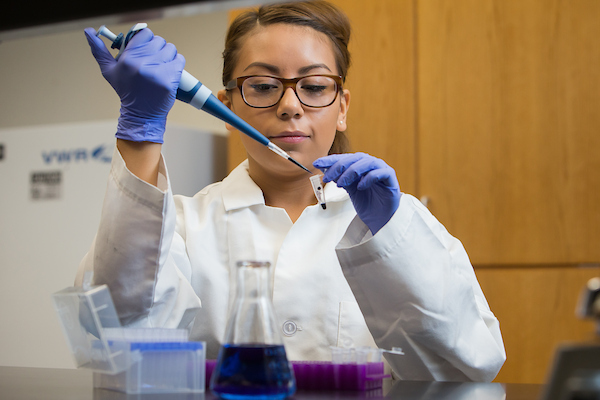
The SACNAS-UNC chapter is dedicated to supporting students through mentoring, academic success, personal networking, and a strong sense of community. Members have the opportunity to attend and present scientific research at the national SACNAS conference, take part in social events that celebrate diversity in STEM, and participate in professional development workshops that strengthen their academic and career skills. Through these experiences, students can connect with peers and professionals from regional and national SACNAS chapters while building a supportive network that uplifts individuals from traditionally underrepresented identities in science, technology, engineering, and mathematics. For more information: Contact Karen Gomez at Karen.Gomez@unco.edu
Tri Beta
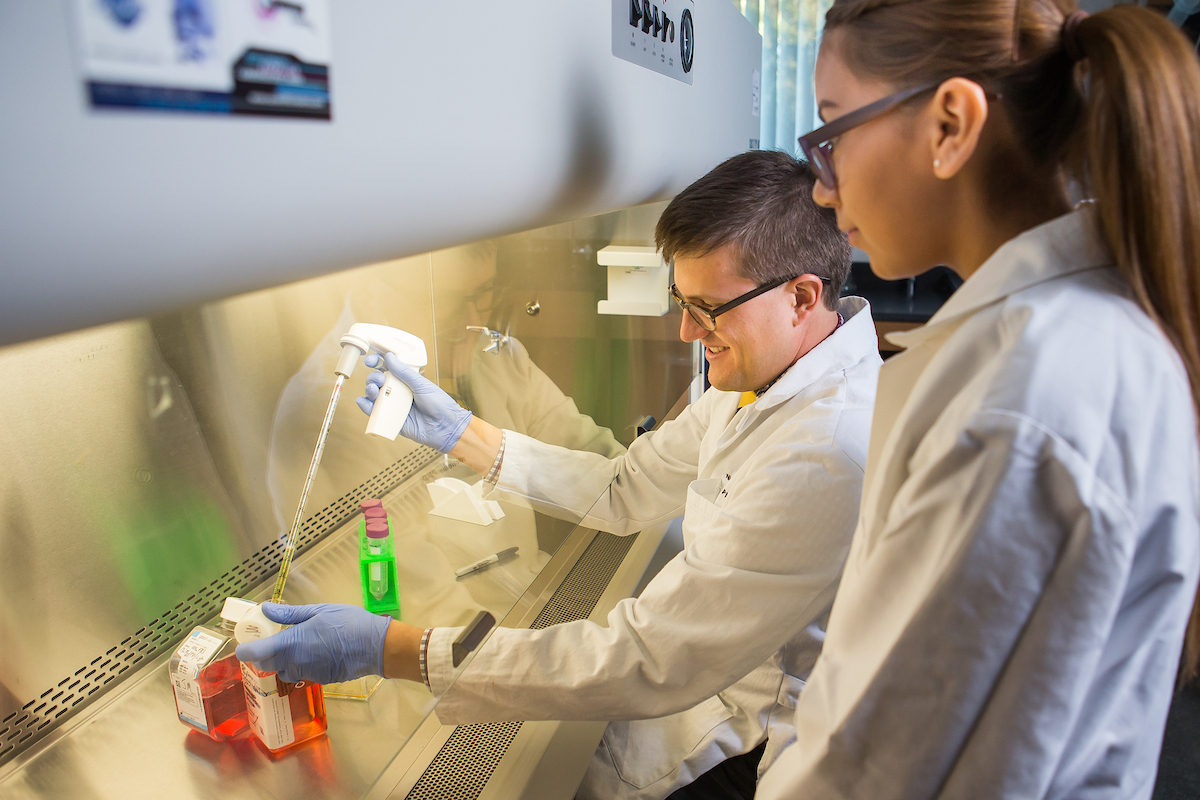
Beta Beta Beta (TriBeta) is an honor society for students, particularly undergraduates, dedicated to improving the understanding and appreciation of biological study and extending boundaries of human knowledge through scientific research. For more information: Contact Judy Leatherman at Judy.Leatherman@unco.edu
Biology Student Association
A general biology club open to all majors and minors. For more information on the club and how to join, contact the club advisor, Dr. Haughian, at james.haughian@unco.edu or 970-351-2716.
Our News