

Higher Education and Student Affairs Leadership
Grow Your Career in Higher Education and Student Affairs
Looking to make an impact in higher education? UNC’s Higher Education and Student Affairs Leadership (HESAL) program is designed to help you advance your career.
Our program helps you build key skills for roles in student services, academic leadership, and education policy. You’ll learn from award-winning faculty with real-world experience in higher education and student affairs administration.
Why HESAL?
- Hands-on learning that connects theory, research, and practice
- Personalized mentoring and advising from expert faculty
- A strong focus on equity and social justice, with diverse perspectives built into every course
Whether you want to lead student programs, shape policy, or teach the next generation of education professionals, HESAL gives you the tools to succeed. Explore the HESAL program today and take the next step in your higher education career.
What You’ll Learn
- Culturally inclusive perspectives related to research, practice, and leadership
- Strong understanding of organizational dynamics
- Excellence in professional practice and scholarly writing
- Research design and methodology
- Ways to contribute to improving education systems
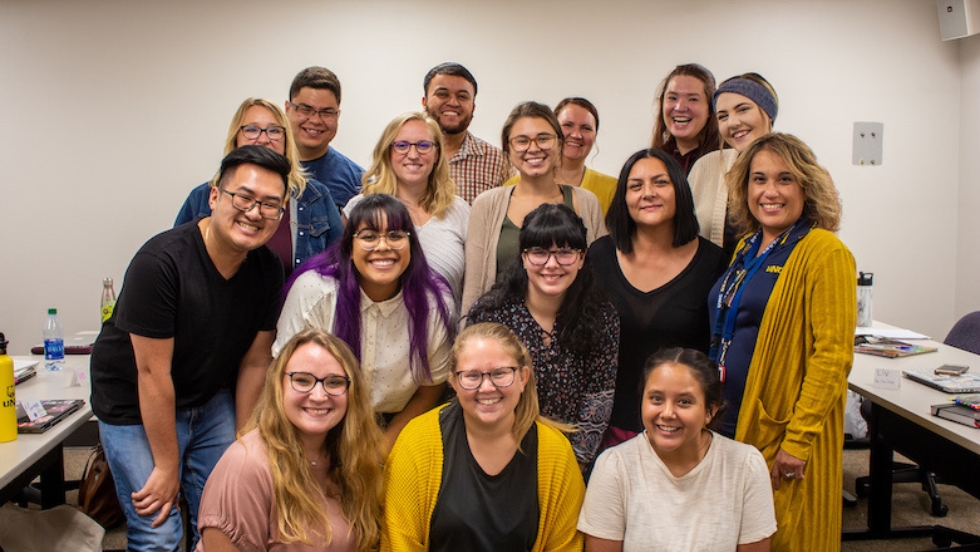
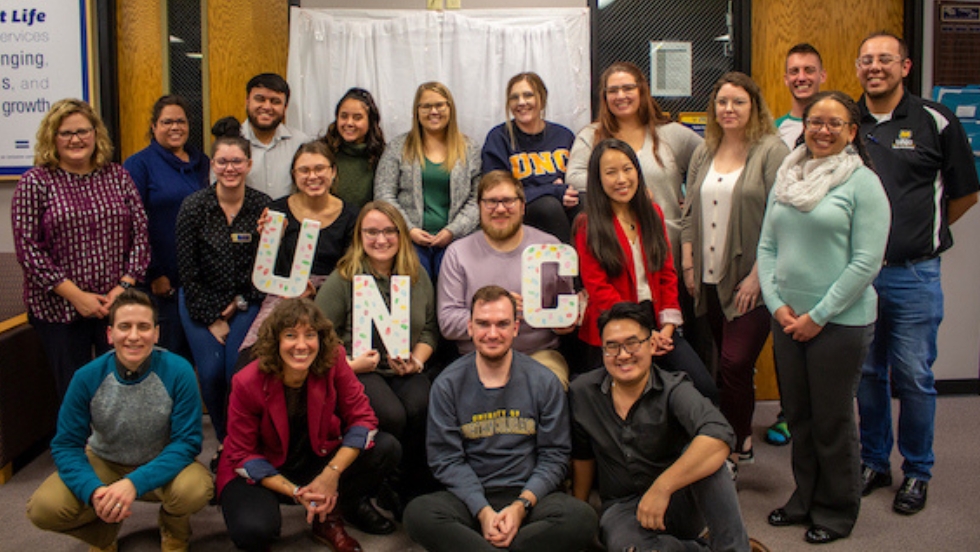
HESAL Community
History of Higher Education and Student Affairs Leadership
The Higher Education and Student Affairs Leadership (HESAL) program at UNC began in the 1964–1965 school year as the College Student Personnel Work (CSPW) program. At that time, the CSPW Ph.D. was one of only two new doctoral programs at UNC. Before that, students could only study higher education as a minor within the Ed.D. program.
In 1971, UNC added a Master of Arts degree focused on Higher Education Administration. The department later changed its name to the Department of College Student Personnel Administration (CSPA) to match updates in the field.
In 1995, the CSPA program became part of the Division of Education Leadership and Policy Studies, joining the Educational Leadership Program. Then in 2001, the name officially changed to Higher Education and Student Affairs Leadership. The current Master of Arts curriculum for HESAL was approved in Spring 2011.
In 1889, Governor Cooper signed a law creating the Colorado State Normal School. In 1911, the school’s name changed to Colorado State Teachers College because the program expanded from a two-year teaching certificate to a four-year bachelor’s degree for teachers.
In 1935, the school became Colorado State College. During this time, the college’s Division of Education offered an Ed.D. degree with a minor in Higher Education.
Between 1929 and 1941, Colorado State College awarded 32 Ph.D. degrees, and at least eight of those included research or fieldwork in higher education.
On November 29, 1962, Dr. Jack Shaw, the Dean of Students, presented a plan to the Graduate Council to create a Ph.D. program in Student Personnel Work in Higher Education. After discussion and some changes, the proposal was approved on April 3, 1963.
The new Doctor of Philosophy (Ph.D.) degree first appeared in the 1964–1965 Colorado State College Catalog. At that time, two new Ph.D. options were offered:
- College Student Personnel Work, designed to prepare students for careers in college settings.
- Educational Measurements and Research, created to prepare students for teaching or research roles in education.
The first group of faculty included:
- Dr. June Stuckey (Director)
- Dr. Jack Shaw
- Dr. Ted Oppelt
- Harry Collins
- Dr. Ken Hogan
- Dr. Frank Lakin
- Dr. Ted Nelson
- Dr. Claire Quinlan
- Dr. Gerald Tanner
These “founding faculty” members of the HESAL program were also student affairs and higher education administrators at UNC (then called Colorado State College).
At that time, there were no full-time faculty members. Instead, people split their time between teaching and administrative work, or they were full-time administrators who also taught classes.
During the 1950s and 1960s, President Robert “Bill” Ross (1947–1964) often hired former student body presidents to work in student affairs, and some of these individuals later became part of the early CSPW faculty.
Since the program began, HESAL faculty have worked to build a collaborative and supportive learning environment that helps students succeed, rather than one focused on competition.
Questions? Contact Us!
Gardiner Tucker
Assistant Professor and HESAL Program Coordinator